This Week in Space Tech #18
The week of Dec 15 to Dec 21, 2025 brought multiple launch milestones, a major US defense satellite procurement, a new NASA administrator, and fresh focus on space traffic safety.
Welcome to This Week in Space Tech, covering Dec 15 to Dec 21, 2025. Here are the developments that mattered across rockets, government programs, and startups.
Launches and flight milestones
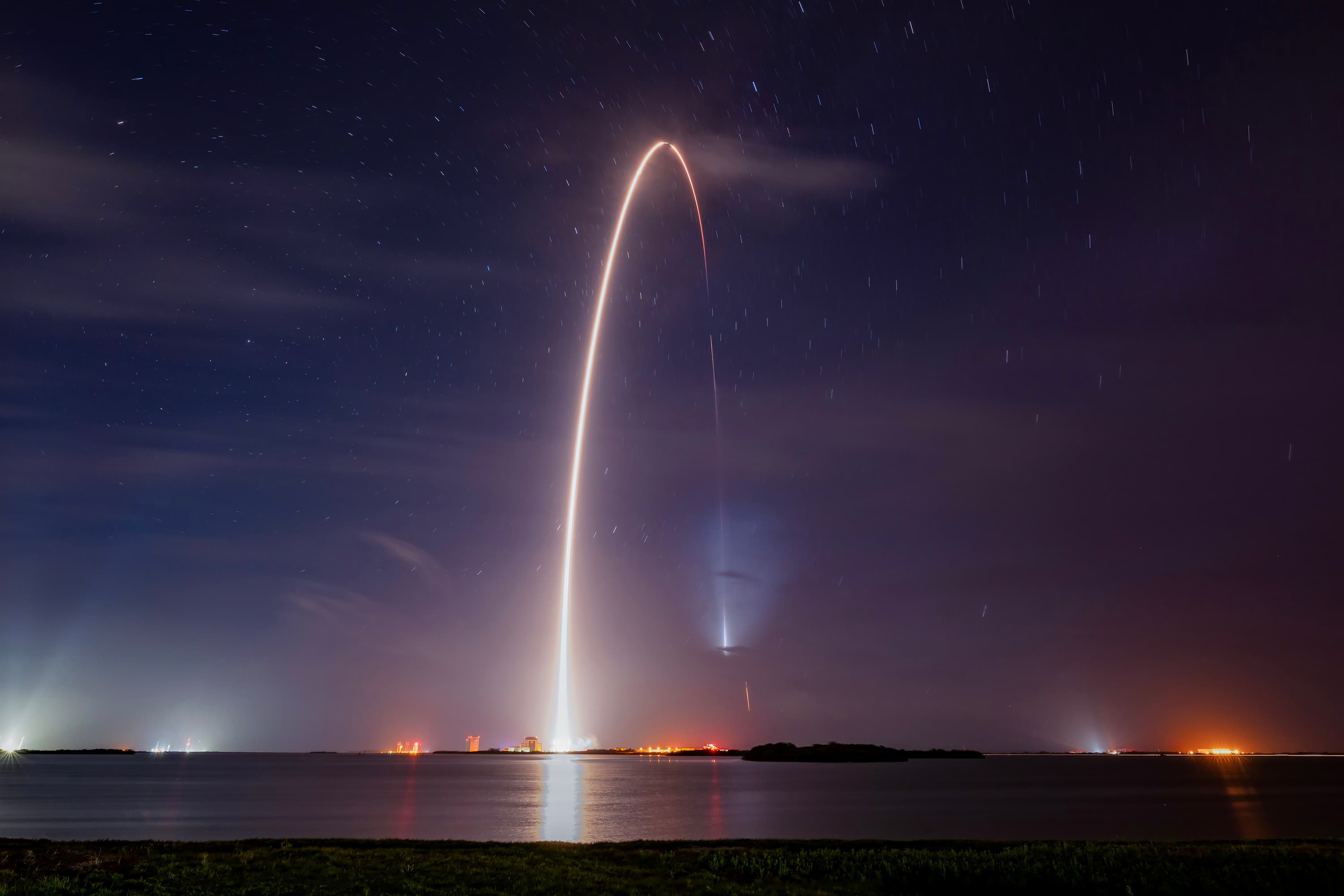
SpaceX kicked off the week with a late night Starlink launch on Dec 15 from Cape Canaveral, keeping its network buildout on a pace that is now constrained more by ground operations than rocket availability.
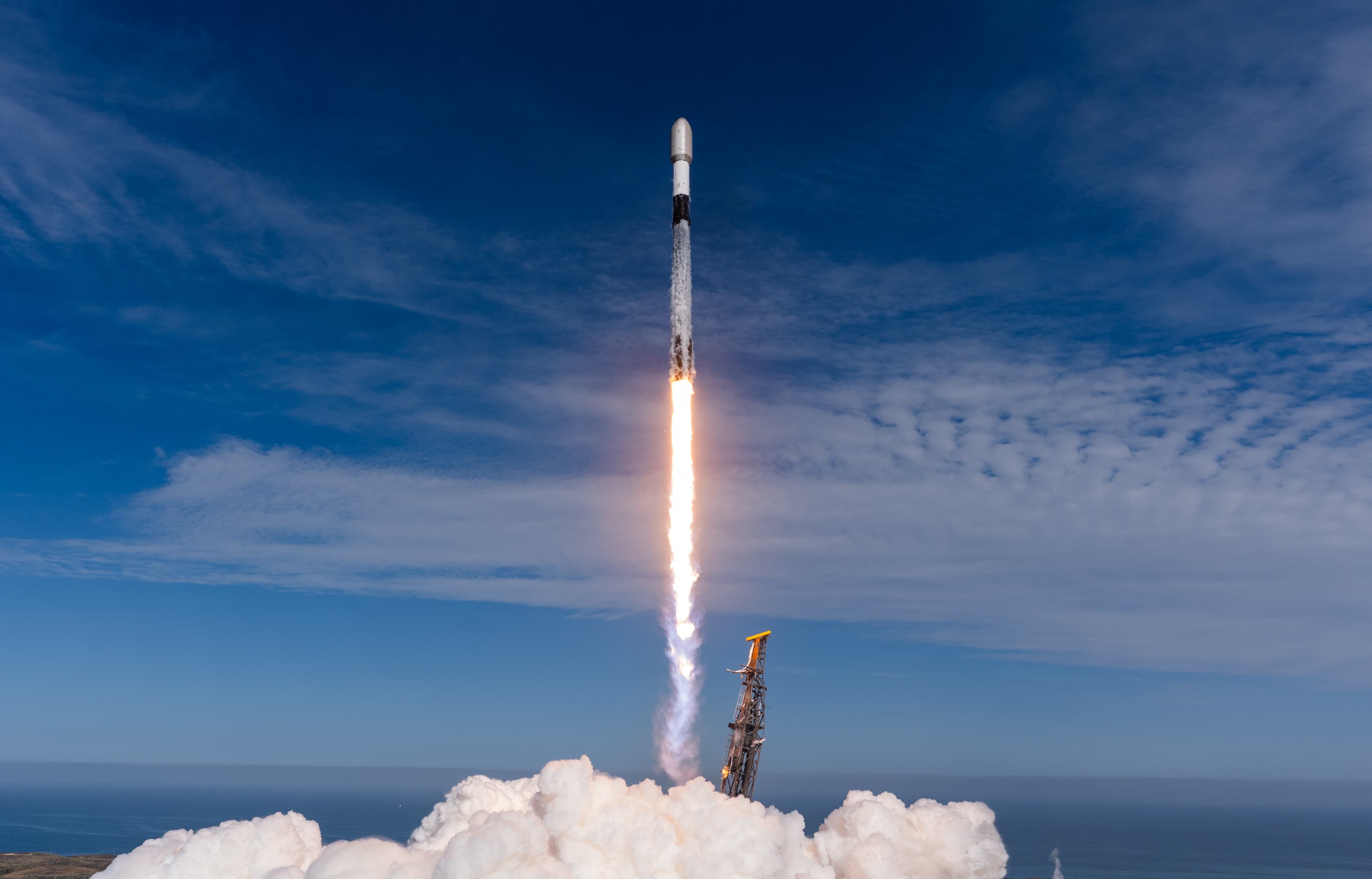
On Dec 17, SpaceX flew another Starlink mission with a Falcon 9 first stage hitting its 30th flight, a reuse milestone that would have sounded like science fiction just a few years ago.
Europe posted a tangible autonomy win on Dec 17 as Ariane 6 successfully placed two Galileo navigation satellites into orbit, extending the EU’s independent positioning, navigation, and timing capability.
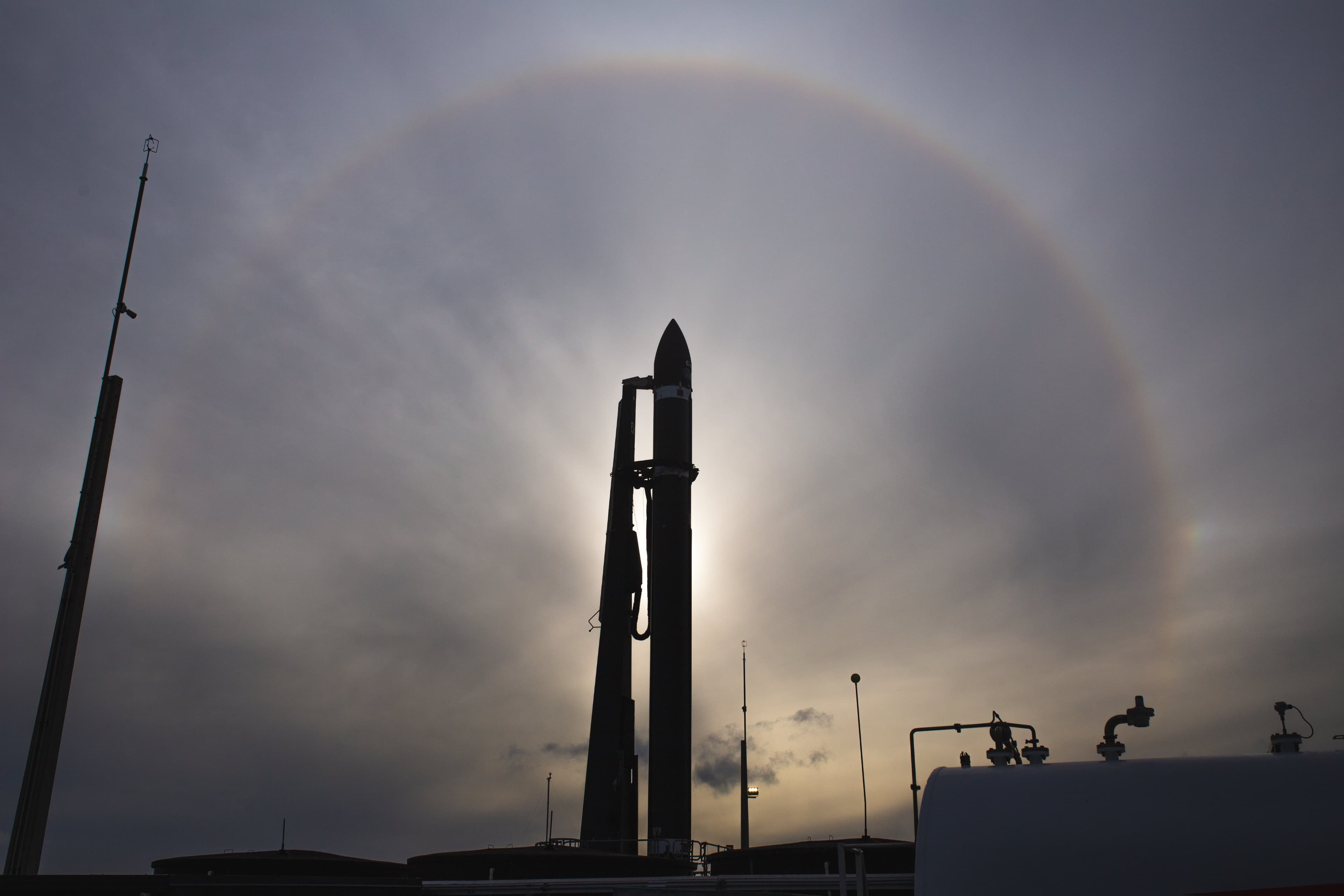
Rocket Lab added two very different beats to the week: an Electron launch on Dec 18 that placed four DiskSat spacecraft into orbit for US government customers, and another Electron mission on Dec 21 that deployed a Japanese iQPS radar imaging satellite to close out the company’s year.
Government, defense, and program direction
On Dec 17, the US Senate confirmed Jared Isaacman as NASA administrator, handing the agency a leader with deep commercial space ties at a moment when Artemis timelines, budgets, and industrial strategy are all in flux.
On Dec 19, the Space Development Agency awarded roughly $3.5 billion across four contractors to build 72 missile warning and tracking satellites for Tranche 3, a clear signal that proliferated LEO is now the default architecture for high priority defense missions.
The SDA awards also reinforced a broader shift: primes still win big, but newer space manufacturers are increasingly landing prime roles rather than staying stuck as suppliers.
Startup money and commercial deals
On Dec 18, AnySignal raised a $24 million Series A to scale its space communications platform, a bet that the next bottleneck is not only launch or satellites, but reliable links, interoperability, and high rate operations across crowded orbits.
Space safety and on orbit operations
On Dec 17, a Starlink satellite suffered an on orbit anomaly that produced debris and triggered close monitoring, a small incident that still lands on the desks of regulators and insurers because the LEO environment is now densely populated and operationally interdependent.
The takeaway is not panic, it is maturity: operators are being forced into airline style thinking, with fleet wide fixes, standardized reporting, and tighter coordination becoming part of day to day business.
Asia’s steady drumbeat
China launched a Long March 5 mission on Dec 21 carrying a communications technology test satellite, underlining how much emphasis Beijing is placing on high rate links and multi band capability as it scales both civil and strategic space infrastructure.