This Week in Space Tech #16
Welcome to This Week in Space Tech, covering 1 to 7 December 2025. Here is how launch cadence, public money and startup momentum reshaped the landscape over seven very dense days.
Startup capital, constellations and awards
German Earth observation startup Marble Imaging disclosed new funding on 1 December, ahead of launching its first satellites next year. The company is positioning itself as a European owned imaging player with an emphasis on high revisit, analytics ready data for commercial and institutional customers.
Finnish radar imaging specialist ICEYE announced a major Series E round of about 150 million euro, led by General Catalyst, valuing the company at roughly 2.4 billion euro and 2.8 billion dollars. The raise cements ICEYE as one of Europe’s most valuable NewSpace firms and reflects strong demand from defense and government customers for all weather, high cadence SAR data.
On the customer side of that ecosystem, ICEYE also revealed a direct satellite procurement by the Portuguese Air Force, signalling that mid sized nations are now willing to become satellite owners, not just data buyers or rideshare participants.
In London, the inaugural Global Space Awards named satellite IoT operator Skylo as winner of the Innovation Breakthrough Award, chosen from more than 500 nominations and 43 finalists worldwide. Skylo’s recognition highlights how direct to device satellite connectivity is moving from concept to commercial deployments with telcos and handset makers.
Software and mission infrastructure startups also took a bow: Bright Ascension’s in orbit and mission control stack was highlighted for powering BAE Systems’ Azalea RF intelligence satellites that flew on SpaceX’s recent Transporter 15 rideshare, reinforcing that much of the value in new constellations now sits in orchestration rather than pure hardware.
Falcon 9’s relentless pace and a Chinese reusable milestone
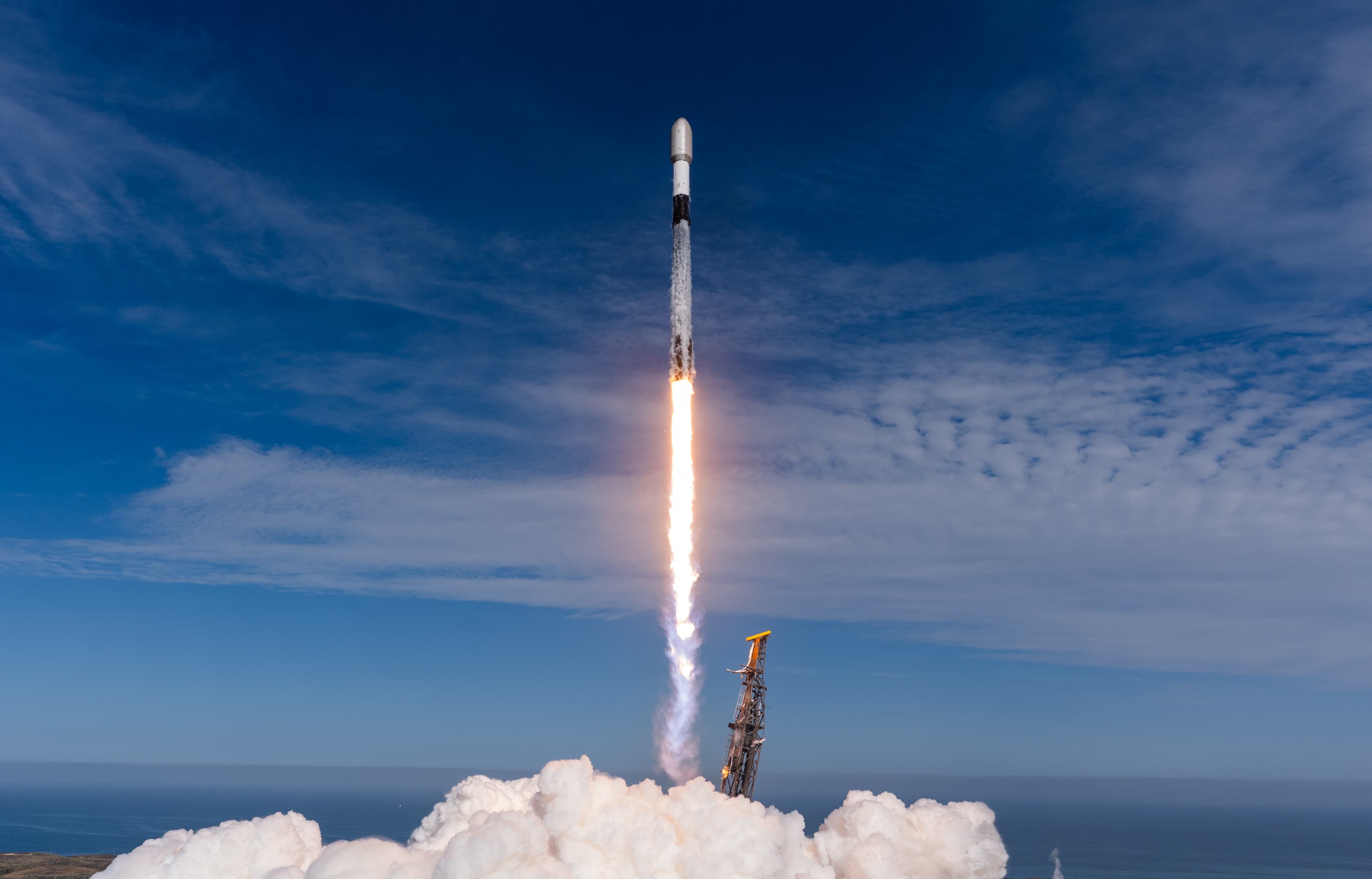
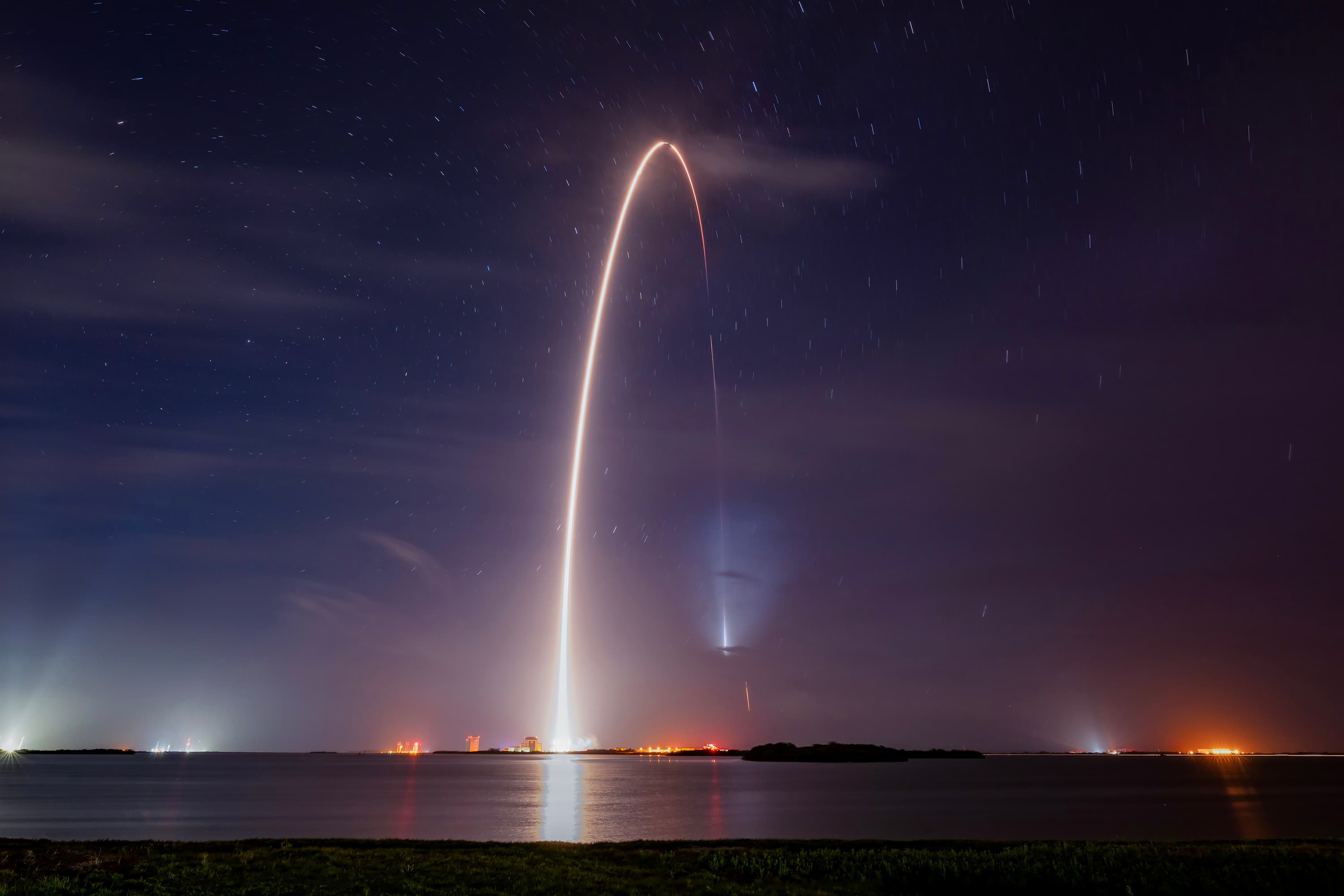
SpaceX opened December with a flurry of Starlink missions, flying multiple Falcon 9s from both Florida and Vandenberg and adding clusters of 27 to 29 satellites at a time. Over the week, that included an evening Starlink launch from Vandenberg on 1 December, a sunset launch from Cape Canaveral on 2 December, and further Starlink batches from California and Florida on 4, 6 and 7 December, keeping the vehicle on track for well over 150 flights in 2025.
Each mission leaned on deep reuse: one booster notched its 16th flight while others continued to push past the dozen flight mark, underlining how much of today’s launch capacity now comes from a handful of heavily flown cores rather than brand new hardware.
In China, private launcher LandSpace conducted the debut orbital test of its methane fuelled Zhuque 3. The rocket reached orbit but suffered an “abnormal combustion event” during the attempted booster landing, turning the first stage recovery into a fiery loss instead of a controlled touchdown.
Even with the failed landing, Zhuque 3’s performance positions LandSpace as the closest Chinese challenger yet to Falcon 9 class reusability, proving a large stainless steel vehicle and high thrust methalox engine cluster in flight conditions.
On orbit operations also stayed in the spotlight, with the International Space Station community talking about a new commander transition and a glide path into the station’s final planned five years, a reminder that this decade’s human spaceflight narrative is already shifting toward what replaces ISS.
Europe’s public money deepens the launcher and innovation bench
In Bremen, the European Investment Bank formally launched a 500 million euro Space Tech debt facility intended to give growth stage hardware companies non dilutive capital alongside equity, with major commercial banks signed on to participate.
ESA followed up its record ministerial decisions by publishing the detailed “Document 100” breakdown of the 22.07 billion euro three year budget. One headline line item: about 902 million euro earmarked for the European Launcher Challenge, backing Isar Aerospace, Rocket Factory Augsburg, MaiaSpace, PLD Space and Orbex in their push to orbit.
The UK Space Agency added a national layer, announcing a 17 million pound package for “next generation space innovation” that targets early stage missions and technologies rather than just flagship programs.
In parallel, UK research bodies used the Appleton Space Conference to award roughly 380 thousand pounds in seed grants to projects that apply AI to sustainable agriculture and orbital environmental challenges, from debris to atmospheric effects.