This Week in Space Tech #17
In the week of 8 to 14 December 2025, SpaceX stretched reuse to new records, a close call in orbit reignited the space traffic debate, and Rocket Lab delivered a tech demo for Japan.
Welcome to This Week in Space Tech, covering 8 to 14 December 2025. Here are the moves that mattered, and what they signal for the next quarter.
Launches and on orbit delivery
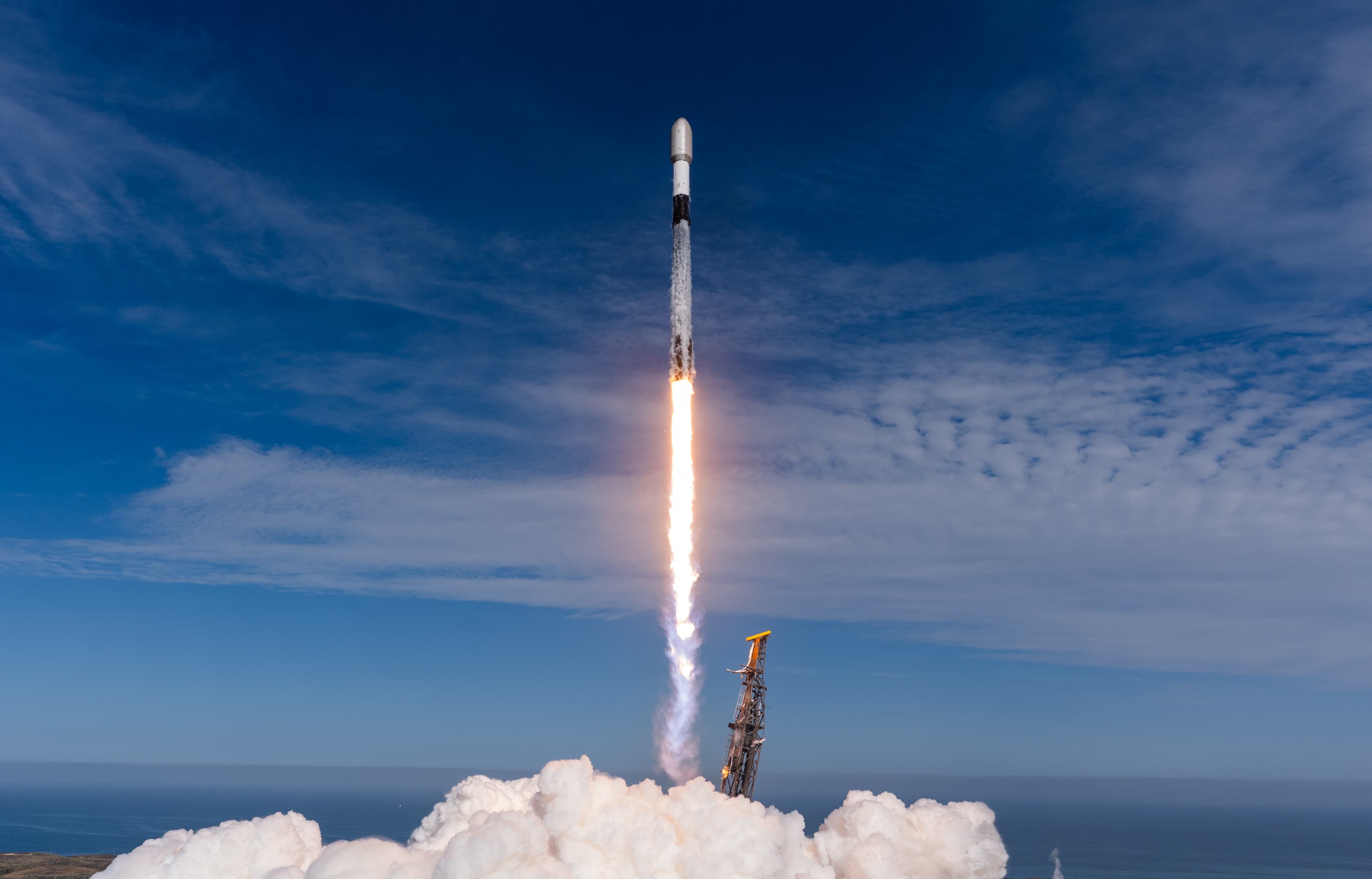
SpaceX opened the week by flying a Falcon 9 booster for a record 32nd time on 8 December, a milestone that shows how reuse is shifting from “proven” to “routine fleet management.”
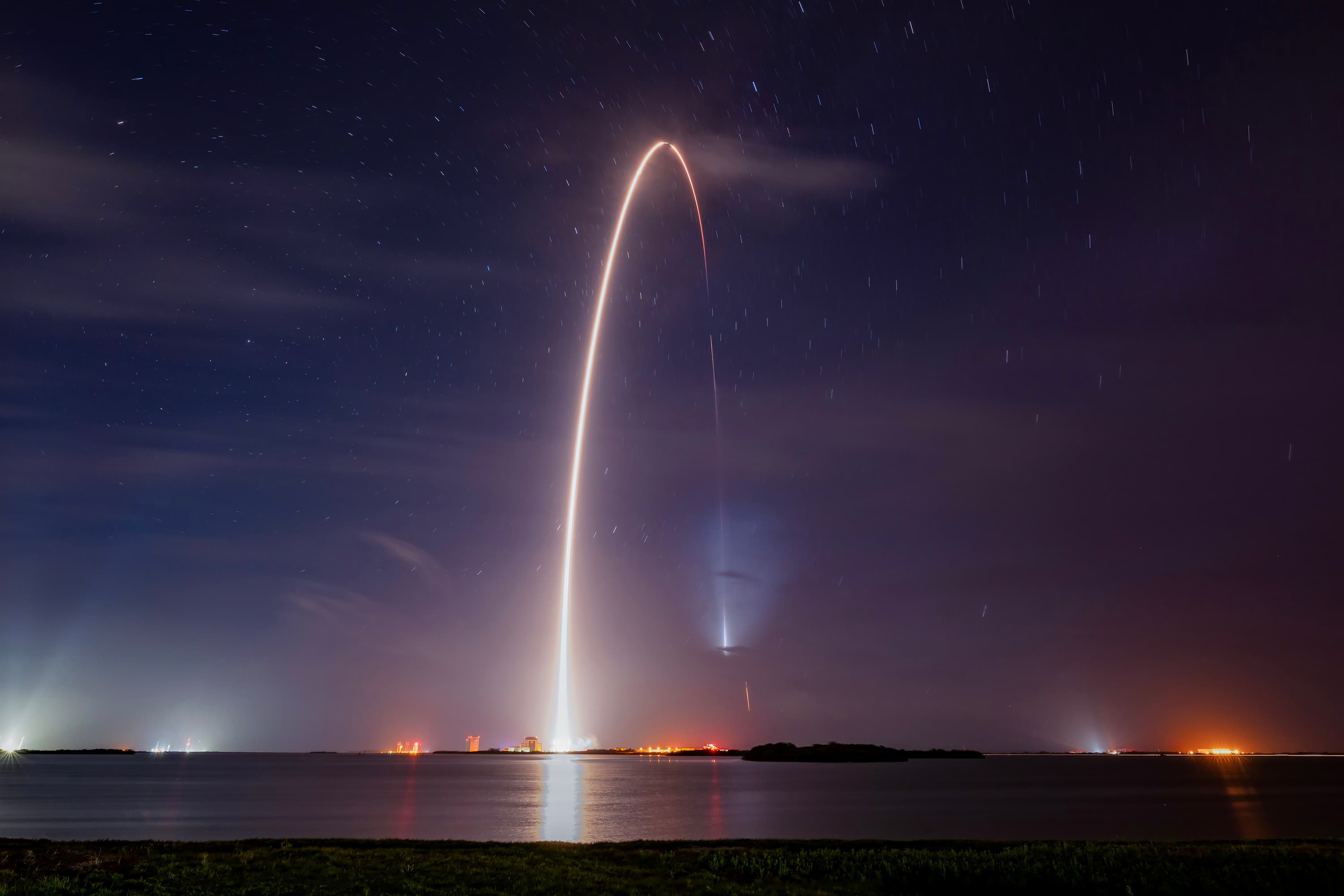
Starlink kept stacking capacity with additional Falcon 9 missions on 11 December and again on 14 December, adding new batches to a constellation that is now large enough that operational discipline, not just launch rate, is becoming the main constraint.
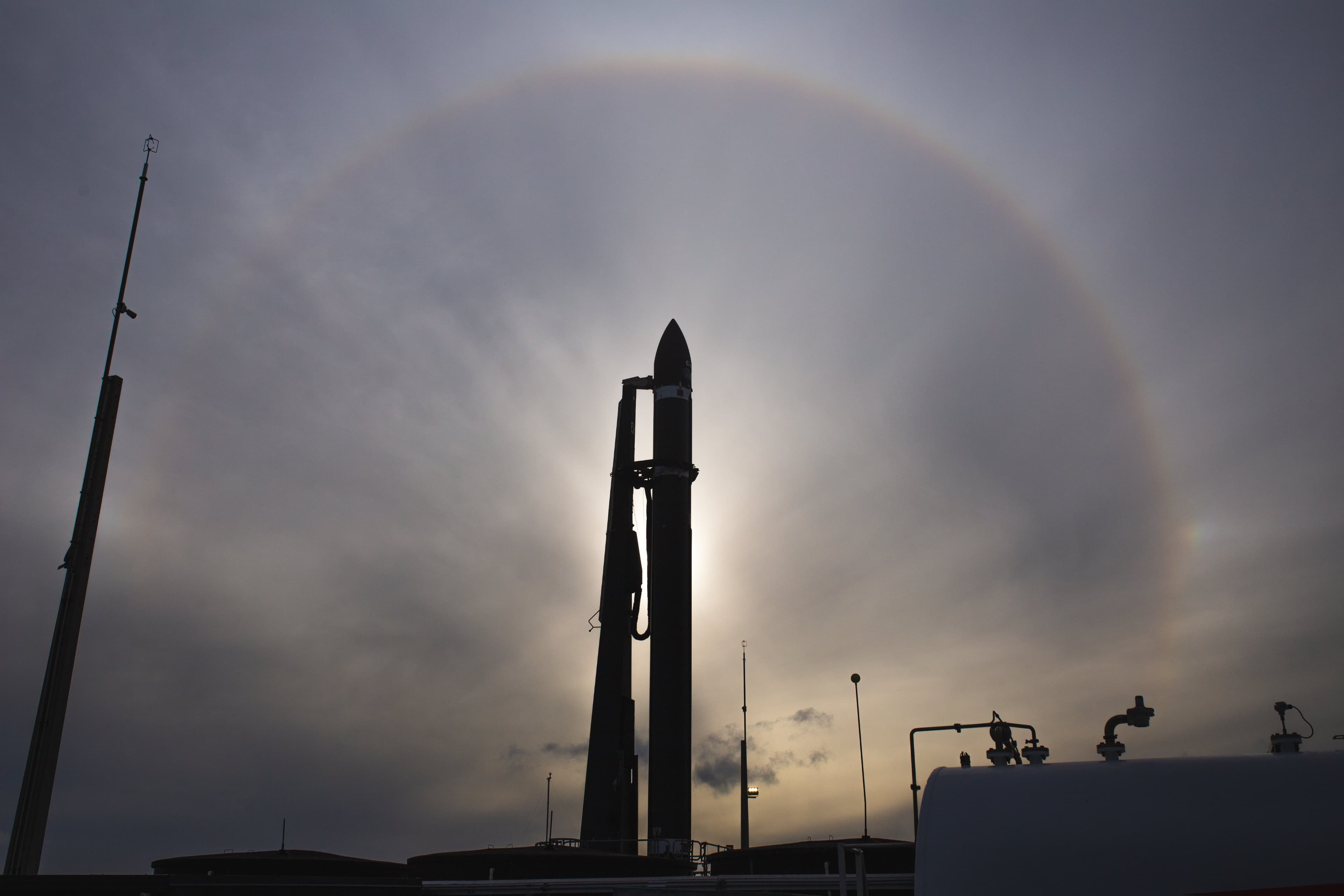
Rocket Lab closed the week with a clean Electron launch on 13 December, placing JAXA’s RAISE 4 technology demonstration satellite into orbit and marking a notable step in Rocket Lab’s work with Japanese government missions.
Space traffic management gets a fresh stress test
On 9 December, SpaceX said a Starlink satellite narrowly avoided a close approach with a spacecraft launched from China, and the company used the incident to highlight gaps in coordination and data sharing between operators. The episode is less about blame than about incentives: megaconstellations can maneuver often, but traffic safety still depends on shared standards, timely ephemeris data, and clear escalation paths when two operators disagree on risk.
National security space stays busy, and increasingly commercial
The National Reconnaissance Office launched the NROL 77 mission on 9 December on a SpaceX Falcon 9, underscoring how deeply reusable commercial rockets are now baked into US national security access to space.
California startup Muon Space picked up a $1.9 million SpaceWERX SBIR award on 9 December to adapt its infrared payload work for missile warning and tracking needs, another example of commercial Earth sensing talent being pulled into defense missions.
In Canada, the country’s new Defence Investment Agency awarded its first contract on 9 December, selecting MDA Space and Telesat for early engineering and options analysis tied to Arctic satellite communications.
Startup capital and new bets on bigger spacecraft
K2 Space announced a $250 million Series C on 12 December, led by Redpoint Ventures, with the company pitching a future built around higher power satellite buses and production scale rather than ever smaller platforms.
SpaceX itself also fed the market narrative this week, with reports of a secondary share sale valuing the company at about $800 billion, a reminder that Starlink cashflow and launch dominance are now shaping private market benchmarks across the sector.
Industrial base and propulsion capacity expands
Italian launcher and propulsion firm Avio said it has selected Virginia for a planned solid rocket motor manufacturing facility, a roughly $500 million investment that reflects rising demand for motors across defense and space programs.
Market rumors
SpaceX IPO talk (still unconfirmed): Reports and investor chatter this week claimed SpaceX is preparing for a possible 2026 IPO, potentially paired with a very large capital raise, and the latest employee and insider share sale has been widely treated as an early valuation signal that is amplifying that speculation, with Elon Musk’s public comments adding fuel without confirming any firm timeline or terms.