Space Nuclear Execs and the FY27 Budget Proposal
Despite a 23% cut to NASA's overall budget, space nuclear leaders see the FY27 proposal as a green light for fission reactors, radioisotope power, and a Mars demo mission.
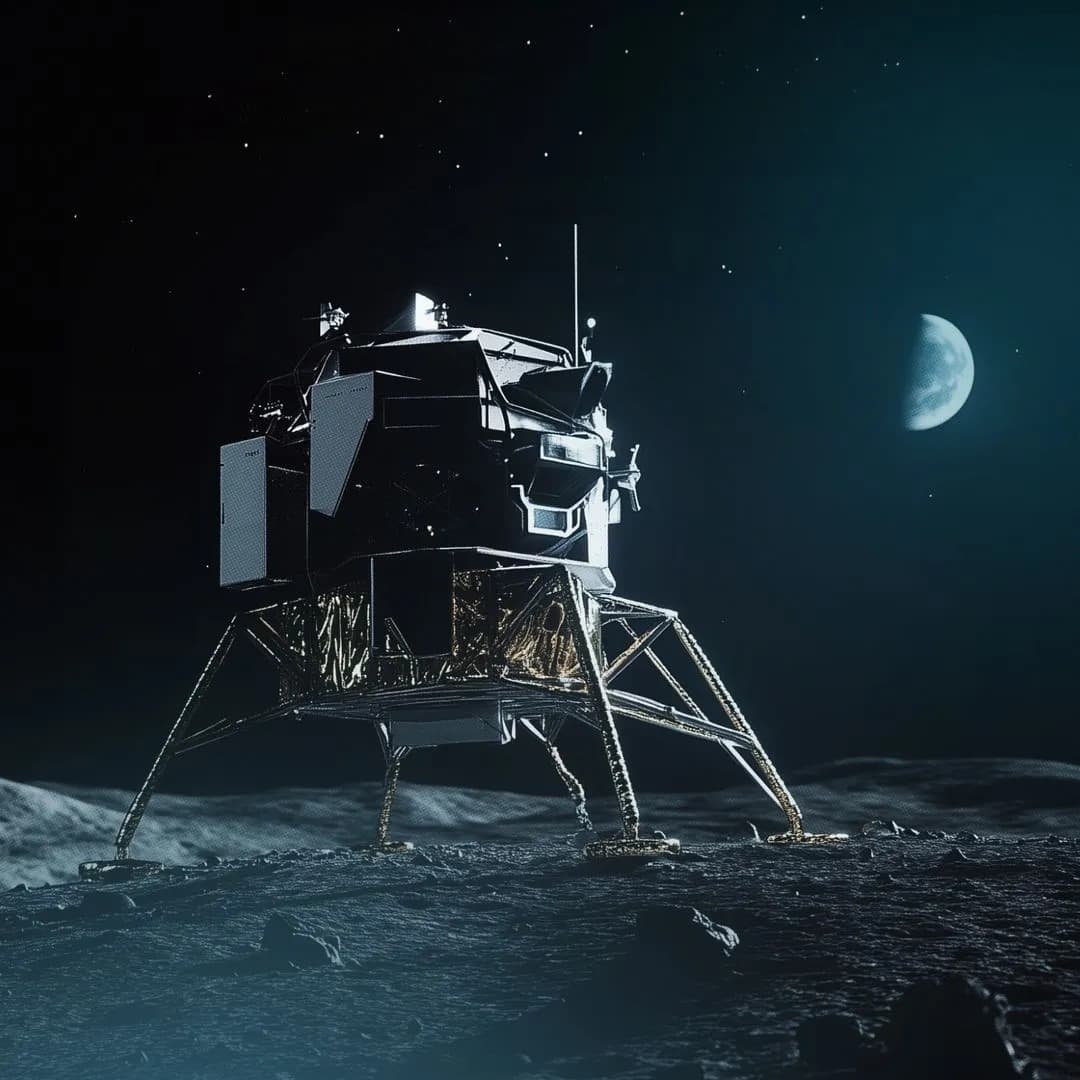
Image: Zeno Power
The White House's FY27 budget proposal lands as bad news for much of NASA, but space nuclear executives are reading it differently. Three line items earmark funds for fission reactors, radioisotope power, and a planned nuclear demonstration mission to Mars - enough for the industry to call the request a turning point.
A Bright Spot in a Shrinking NASA Budget
The Administration is requesting $18.829 billion for NASA in FY27, a $5.61 billion drop - roughly 23% - from FY26 enacted appropriations. Yet inside that smaller envelope, space nuclear emerges with several specific carve-outs.
$18.83B
NASA FY27 Request
Down 23% from FY26
$438.8M
Mars Technology
Fission reactor focus
$100.9M
Space Infrastructure
Includes Harmonia RPS
$110M
NTP Floor
From prior FY26 CJS bill
According to the proposal:
- $438.8M for Mars technology, with the development of fission reactors flagged as a "major focus"
- $100.9M for space infrastructure and exploration, which includes funding for the Harmonia Radioisotope Power System Tipping Point team to demonstrate a Stirling generator and lander integration system
- A commitment to conduct a nuclear demonstration mission to Mars
Two flagship reactor programs sit behind those numbers. Space Reactor-1 (SR-1) Freedom is planned to launch to Mars in late 2028 as the first spacecraft to use a nuclear fission reactor for propulsion beyond Earth orbit, and Lunar Reactor-1 (LR-1) targets surface power for the Moon.
Flagship Space Nuclear Programs
| Spec | SR-1 Freedom | LR-1 |
|---|---|---|
| Type | Fission reactor propulsion | Surface fission reactor |
| Destination | Mars | Moon |
| Target Launch | Late 2028 | TBD |
| Distinction | First nuclear fission propulsion beyond Earth orbit | Lunar surface power |
Industry Reads a Green Light
For the small group of companies developing space nuclear hardware, the explicit budget lines validate years of pitching reactors and radioisotope generators as essential infrastructure for deep-space missions.
Kate Kelly, president of advanced technologies at BWXT, said NASA is playing a role in helping lead and navigate the first-of-a-kind transition needed before a commercial space nuclear industry can exist.
Tyler Bernstein, CEO of Zeno Power - which is developing radioisotope systems for the Harmonia project - was direct about how the request changes his company's calculus.
Congress and the Path Forward
The budget request is the start of negotiations, not the end. NASA Administrator Jared Isaacman has listed "launching SR-1 Freedom" among the agency's priorities, signaling that even with broader cuts, nuclear propulsion is meant to be protected.
If those funding levels hold and SR-1 Freedom stays on track for a 2028 Mars launch, the FY27 cycle could mark the moment space nuclear stopped being a study line and became a procurement line - exactly the shift industry executives have been waiting for.