ISPTech Raises €5.5M to Scale Non-Toxic Propulsion
German space startup ISPTech secures €5.5M in seed funding led by Join Capital to expand manufacturing and deploy its green propulsion systems for satellites.
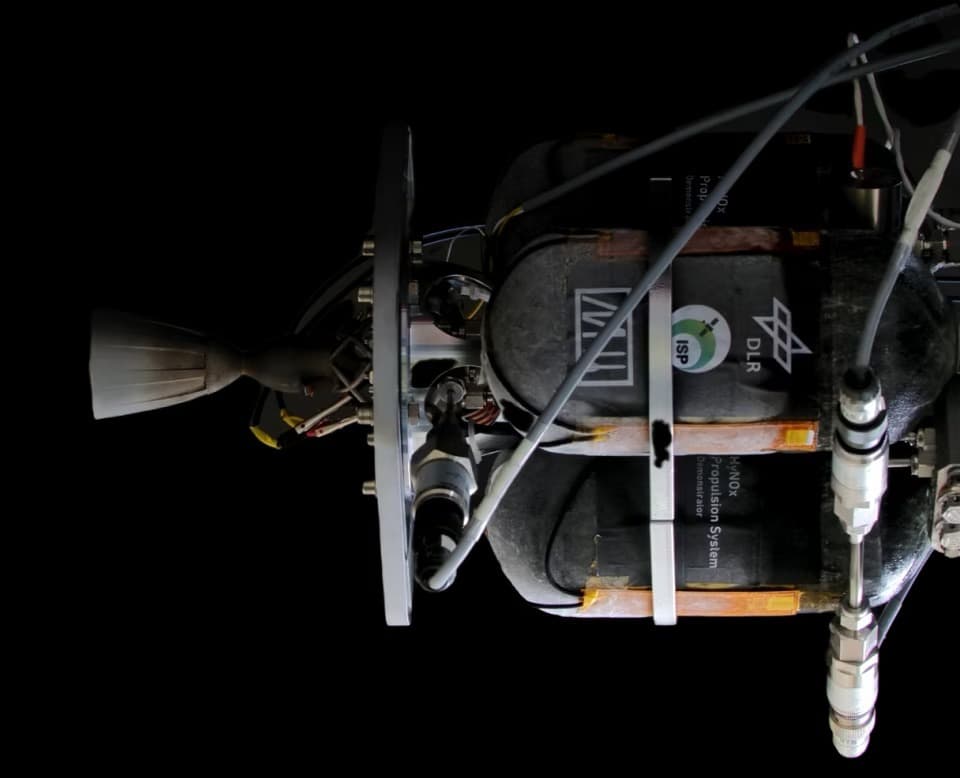
Image: ISPTech
ISPTech, a German propulsion startup spun out of the German Aerospace Center (DLR), has raised €5.5 million in seed funding to scale production of its non-toxic spacecraft propulsion systems. The round positions the company to begin its first missions using the technology as demand for cleaner, more agile in-orbit maneuvering grows.
€5.5M
Seed Round
Led by Join Capital
€7.5M
Total Funding
Including 2024 pre-seed
2
Propulsion Systems
HyNOx and HIP_11
Funding and Investors
The seed round was led by Join Capital, with participation from High-Tech Gründerfonds (HTGF), Faber, First Momentum Ventures, Lightfield Equity, Final Frontier Liftoff, the German Aerospace Center (DLR), and Start-up BW Seed Fonds. The capital will fund expanded manufacturing capacity, critical infrastructure testing, and the acceleration of commercial deployment.
ISPTech previously raised €2 million in pre-seed funding in 2024, bringing its total funding to €7.5 million. The company has already secured early customer contracts, including work with Atmos Space Cargo.
Green Propulsion for Every Spacecraft
ISPTech's core mission is replacing conventional toxic propellants like hydrazine with safer, high-performance alternatives. The company offers two propulsion technologies designed to serve spacecraft ranging from small CubeSats to large orbital vehicles:
- HyNOx - a nitrous oxide and hydrocarbon fuel system built for robust, cost-effective continuous operations
- HIP_11 - a patented multi-mode system using hydrogen peroxide and an ionic liquid fuel that ignites on contact, replacing toxic hypergolic propellants with both chemical and electric propulsion capabilities
Market Timing and Road Ahead
The funding comes at a critical moment for in-space mobility. As satellite constellations grow denser, operators face increasing pressure to perform collision avoidance maneuvers and comply with regulations requiring active deorbiting.
ISPTech's CubeSat propulsion modules are currently in acceptance testing, with the company's first small-satellite mission using its technology scheduled for launch in 2026.
With its DLR heritage, proven technology, and growing customer base, ISPTech is positioning itself as a key enabler of the next generation of satellite operations - where getting to orbit is only half the challenge.