Artemis II Flies Past the Moon: Far Side Science and a Rare Solar Eclipse
The Artemis II crew conducts a six-hour lunar flyby on April 6, photographing 30 surface targets and witnessing a solar eclipse from beyond the Moon's far side.
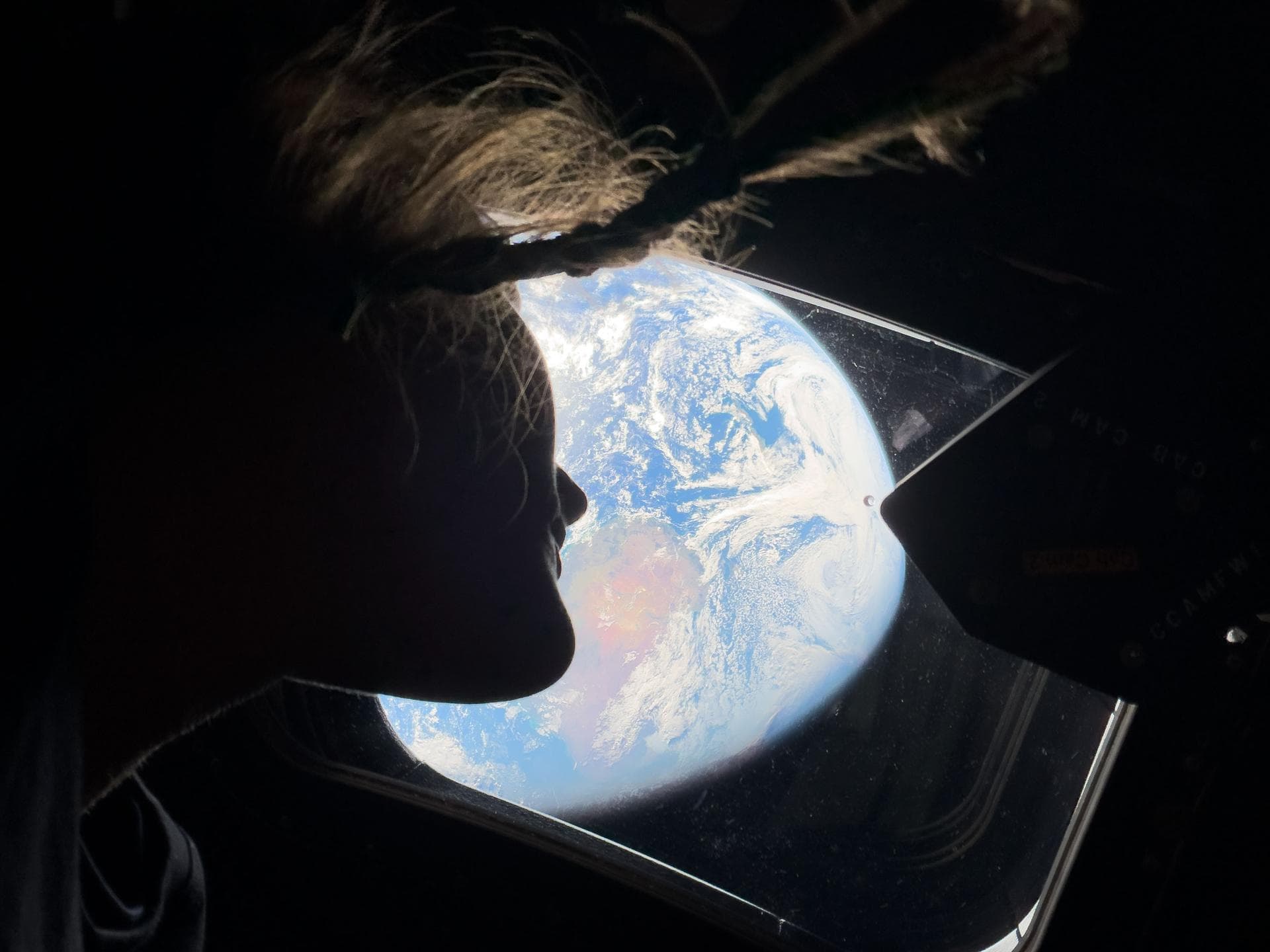
Image: NASA
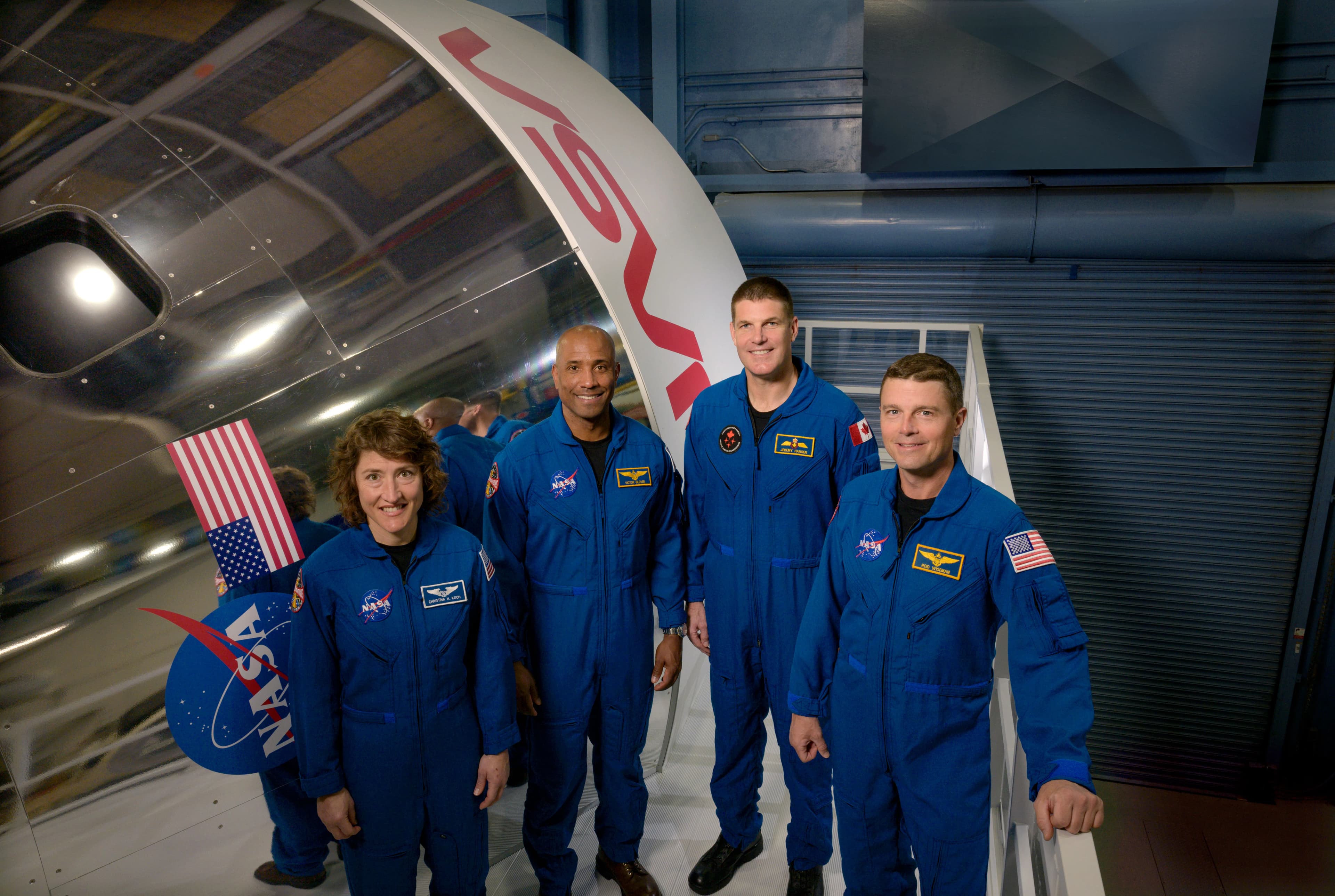
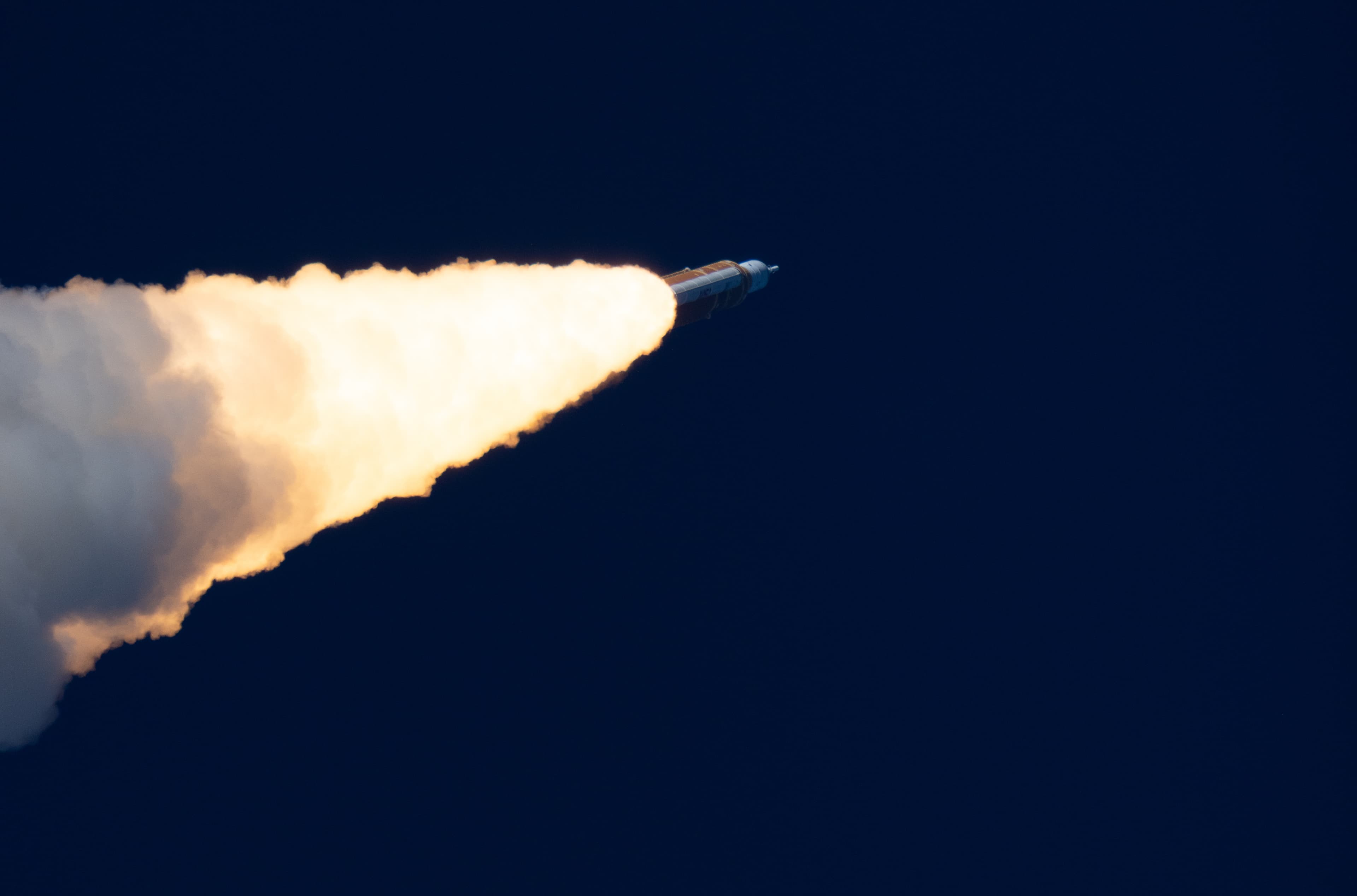
The Artemis II crew has arrived at the Moon. On April 6, the Orion spacecraft entered its six-hour lunar flyby window, giving the four astronauts their closest encounter with the lunar surface and a chance to conduct science observations that no human crew has attempted since the Apollo era.
Artemis II
In TransitMoon
|Lunar flyby in progress, April 6 - splashdown April 10
30
Surface Targets
Photographed during flyby
252,757 mi
Max Distance
New human spaceflight record
~57 min
Solar Eclipse
Seen from beyond the Moon
40 min
Comms Blackout
Behind the lunar far side
Six Hours of Lunar Science
The flyby window runs from 2.45 to 9.40 p.m. EDT, the period during which Orion's main cabin windows are pointed toward the Moon and the spacecraft is close enough for detailed observation. Mission control sent the crew a final list of 30 surface targets to photograph and analyze, including the Orientale basin - a nearly 600-mile-wide impact crater that straddles the Moon's near and far sides, formed about 3.8 billion years ago. The Artemis II astronauts are the first humans to observe this feature directly.
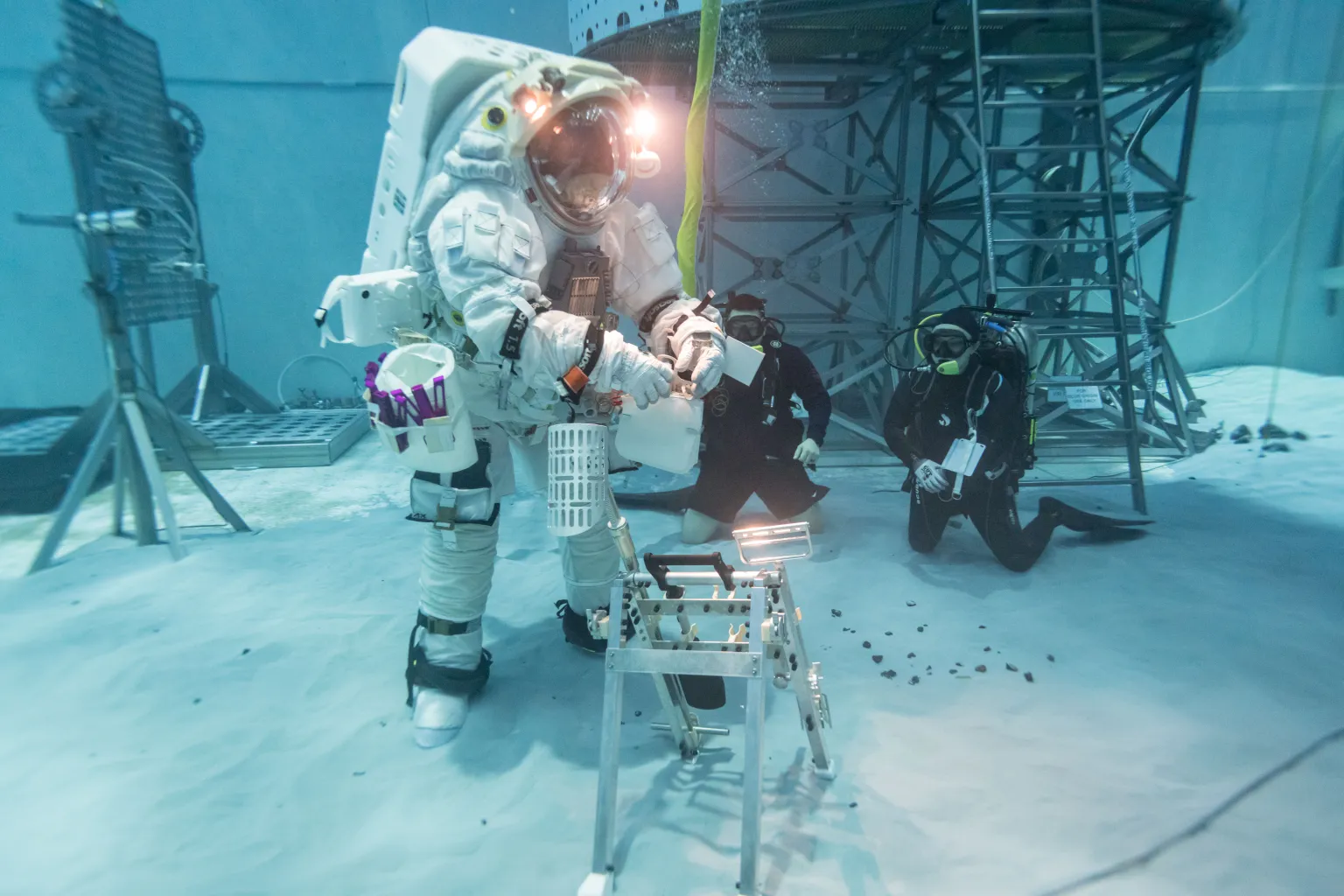
The far side of the Moon is strikingly different from the near side visible from Earth. It has a thicker crust, far more impact craters, and hardly any of the vast lava flows that mark the Earth-facing hemisphere. About 20% of the far side will be illuminated by the Sun during the flyby, giving the crew a window to photograph and describe features including craters, ancient lava flows, and surface ridges. The astronauts are applying geology skills learned in the classroom and in Moon-like environments on Earth to note differences in color, brightness, and texture - clues that help scientists understand the Moon's composition and formation history.
"The darker parts just aren't quite in the right place." - Christina Koch, describing the unfamiliar view of the Moon from Orion
Breaking the Distance Record
During the flyby, Orion surpasses the distance record set by Apollo 13 in April 1970. The spacecraft reaches its maximum distance from Earth at approximately 7.05 p.m. EDT - a total of 252,757 miles, exceeding Apollo 13's record of 248,655 miles by more than 4,100 miles.
A planned 40-minute communications blackout begins at approximately 5.47 p.m. EDT as the Moon blocks radio signals between NASA's Deep Space Network and the spacecraft. During this window the crew is entirely on their own, relying on Orion's onboard systems until contact is restored on the other side.
April 6 Flyby Events (EDT)
2:45 PM
Flyby Window Opens
Orion cabin windows point toward the Moon
5:47 PM
Communications Blackout
40-minute loss of signal behind the Moon
7:05 PM
Maximum Distance
252,757 miles from Earth, breaking Apollo 13 record
8:35 PM
Solar Eclipse Begins
Sun passes behind the Moon from crew perspective
9:32 PM
Eclipse Ends
Nearly one hour of corona and impact flash observation
9:40 PM
Flyby Window Closes
Orion moves beyond close observation range
A Solar Eclipse from Deep Space
The flyby's most extraordinary moment comes near the end of the observation window. From 8.35 to 9.32 p.m. EDT, the Sun passes behind the Moon from the crew's perspective, producing a solar eclipse lasting almost an hour. During the eclipse the Moon appears mostly dark, giving the astronauts a rare opportunity to observe the Sun's corona and watch for flashes of light from rocky objects striking the lunar surface.
This is one of the rarest skywatching events possible - a total solar eclipse seen not from Earth's surface, but from beyond the Moon itself.
What the Data Means for Artemis III
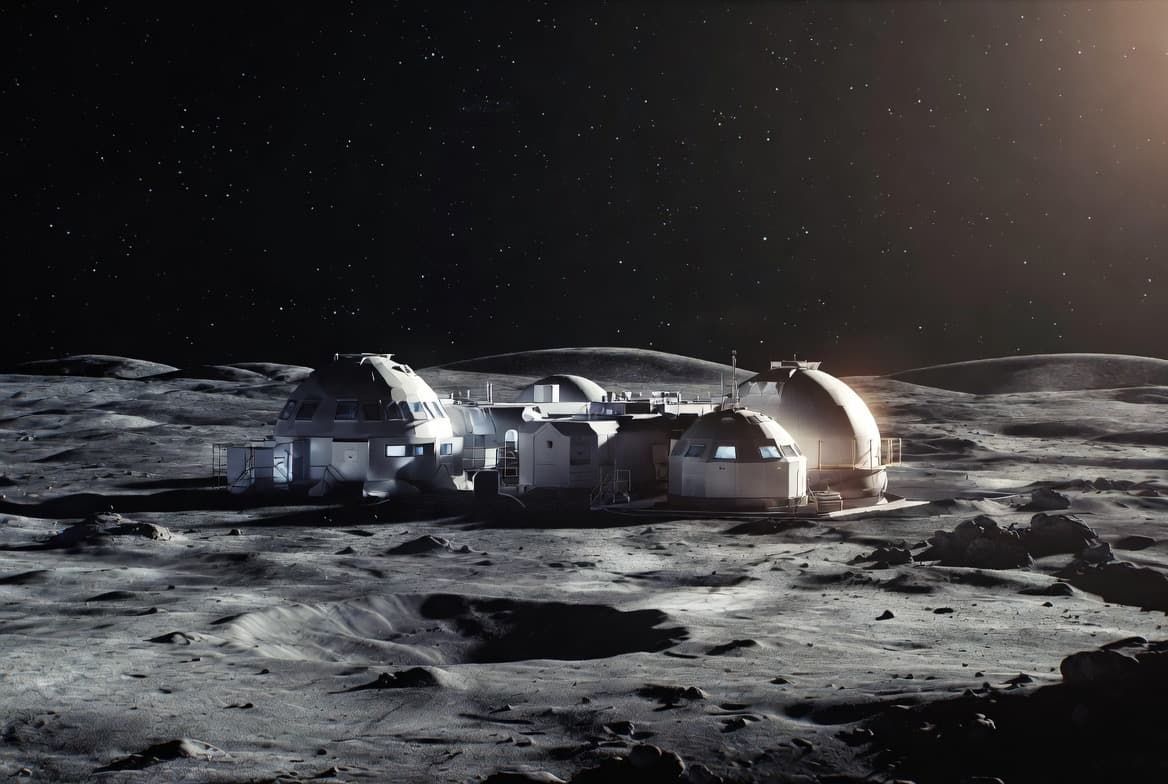
Every photograph, observation, and system reading from today's flyby feeds directly into planning for Artemis III, which aims to land astronauts on the lunar surface. The crew's direct observations of surface features, lighting conditions, and far-side terrain provide ground truth that orbital imaging alone cannot match. As Orion begins its return journey toward a splashdown off San Diego on April 10, the science gathered during these six hours will shape the next chapter of lunar exploration.