Meet the Artemis II Crew Making History on Their Way to the Moon
Get to know the four astronauts aboard Orion - each breaking barriers as Artemis II approaches its lunar flyby on April 6.
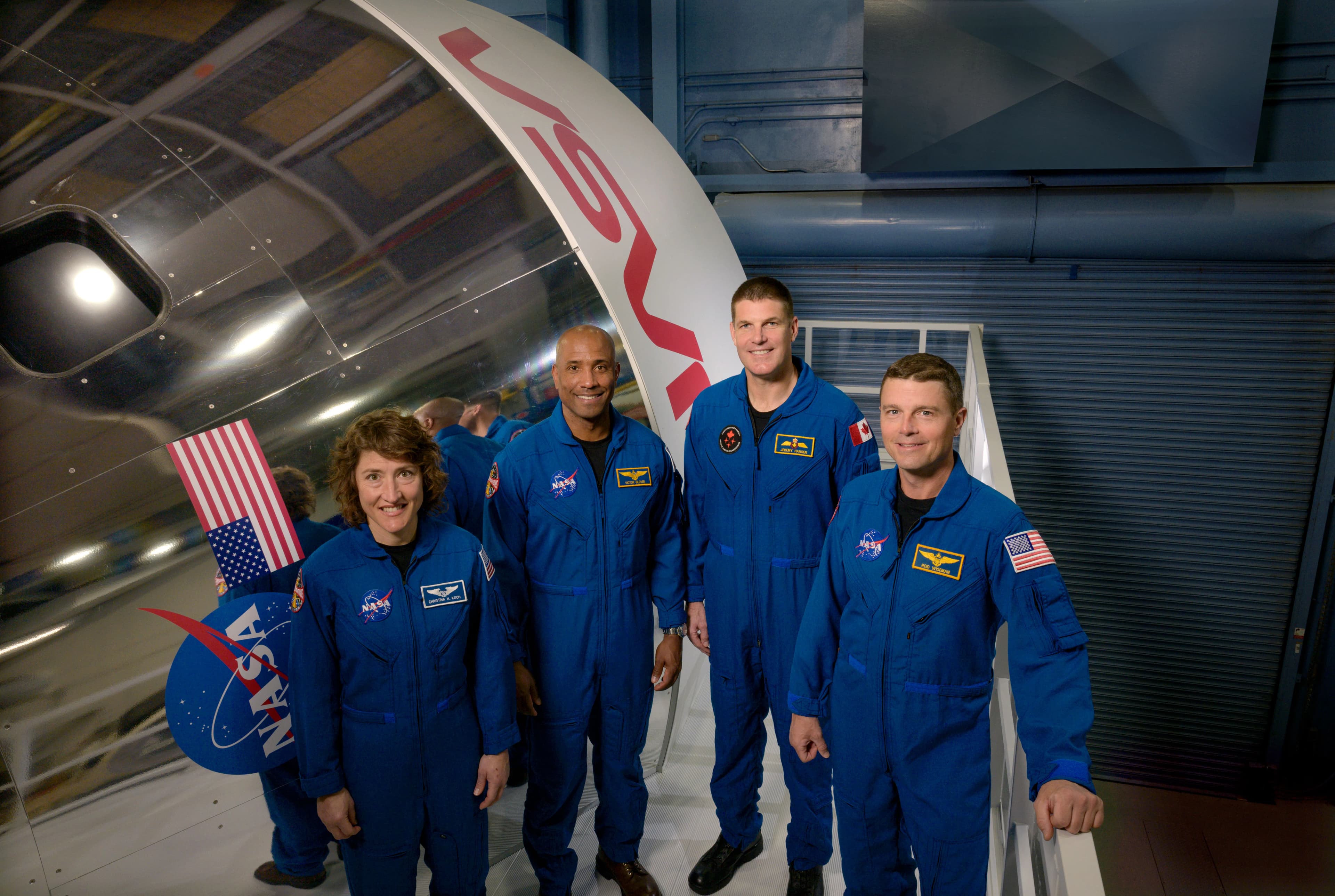
Image: The four Artemis II astronauts at their crew announcement. From left: Christina Koch, Victor Glover, Reid Wiseman, and Jeremy Hansen. Credit: NASA.
Four days after launching from Kennedy Space Center, the Artemis II crew is deep in cislunar space and closing in on the Moon. Each of the four astronauts aboard Orion is making history on this mission - here is who they are and what lies ahead as the spacecraft approaches its lunar flyby.
Artemis II
In TransitMoon
|Lunar flyby scheduled April 6, splashdown April 10
The Crew That Broke Barriers
Commander Reid Wiseman leads the mission. Born in Baltimore, Maryland, Wiseman earned a degree in Computer and Systems Engineering from Rensselaer Polytechnic Institute before becoming a Naval Aviator. He was selected as a NASA astronaut in 2009 and spent 165 days aboard the International Space Station during Expedition 41 in 2014, completing over 300 scientific experiments and two spacewalks totaling nearly 13 hours. He later served as chief of the astronaut office from 2020 to 2022. With Artemis II, Wiseman becomes the oldest person to travel beyond low Earth orbit.
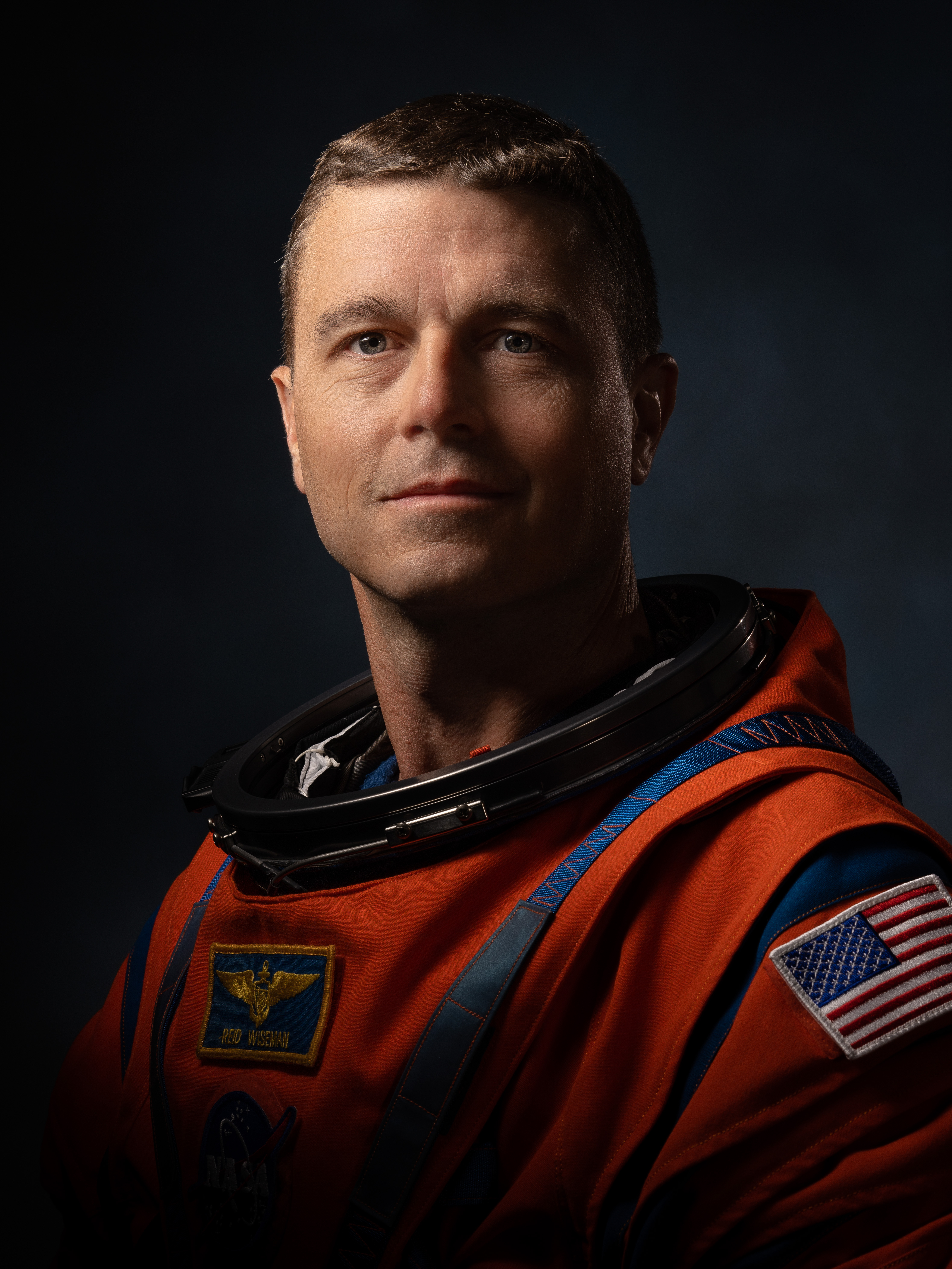
Reid Wiseman
AmericanNaval aviator, ISS Expedition 41 veteran, 165 days in space, former chief of astronaut office
Oldest person to travel beyond low Earth orbit
Pilot Victor Glover is the first person of color to venture this far from Earth. A Pomona, California native, Glover graduated from California Polytechnic State University with a degree in General Engineering before joining the U.S. Navy as a naval aviator. Inspired by former NASA astronaut Pamela Melroy, he was selected as an astronaut in 2013. Glover previously served as pilot on NASA's SpaceX Crew-1 mission, spending 168 days in space and participating in four spacewalks during Expedition 64.
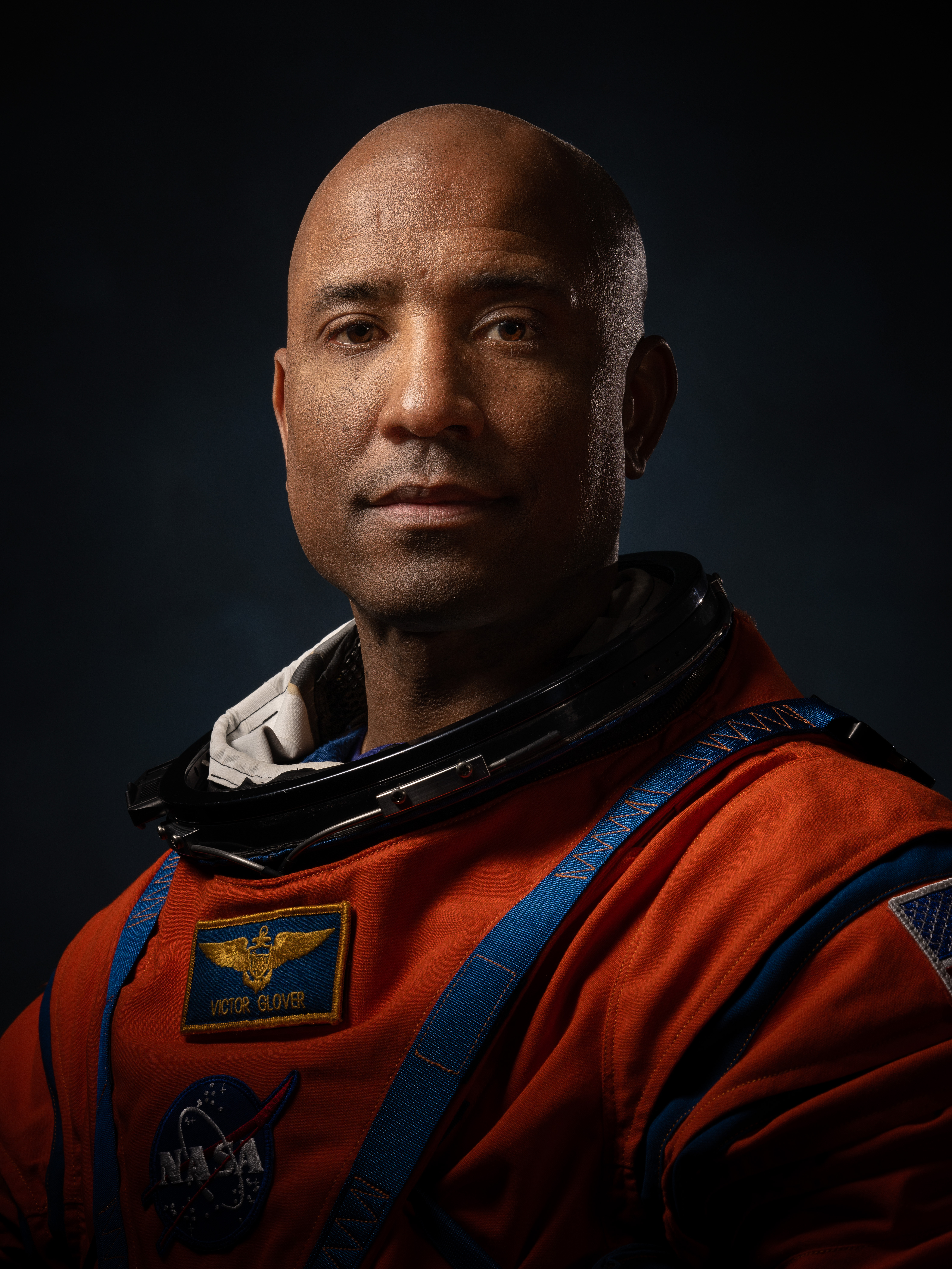
Victor Glover
AmericanNaval aviator, SpaceX Crew-1 pilot, 168 days in space, four spacewalks
First person of color to travel beyond low Earth orbit
Mission Specialist Christina Koch holds the record for the longest single spaceflight by a woman at 328 days. Born in Grand Rapids, Michigan, Koch dreamed of becoming an astronaut since childhood. She is the first woman to travel beyond low Earth orbit.
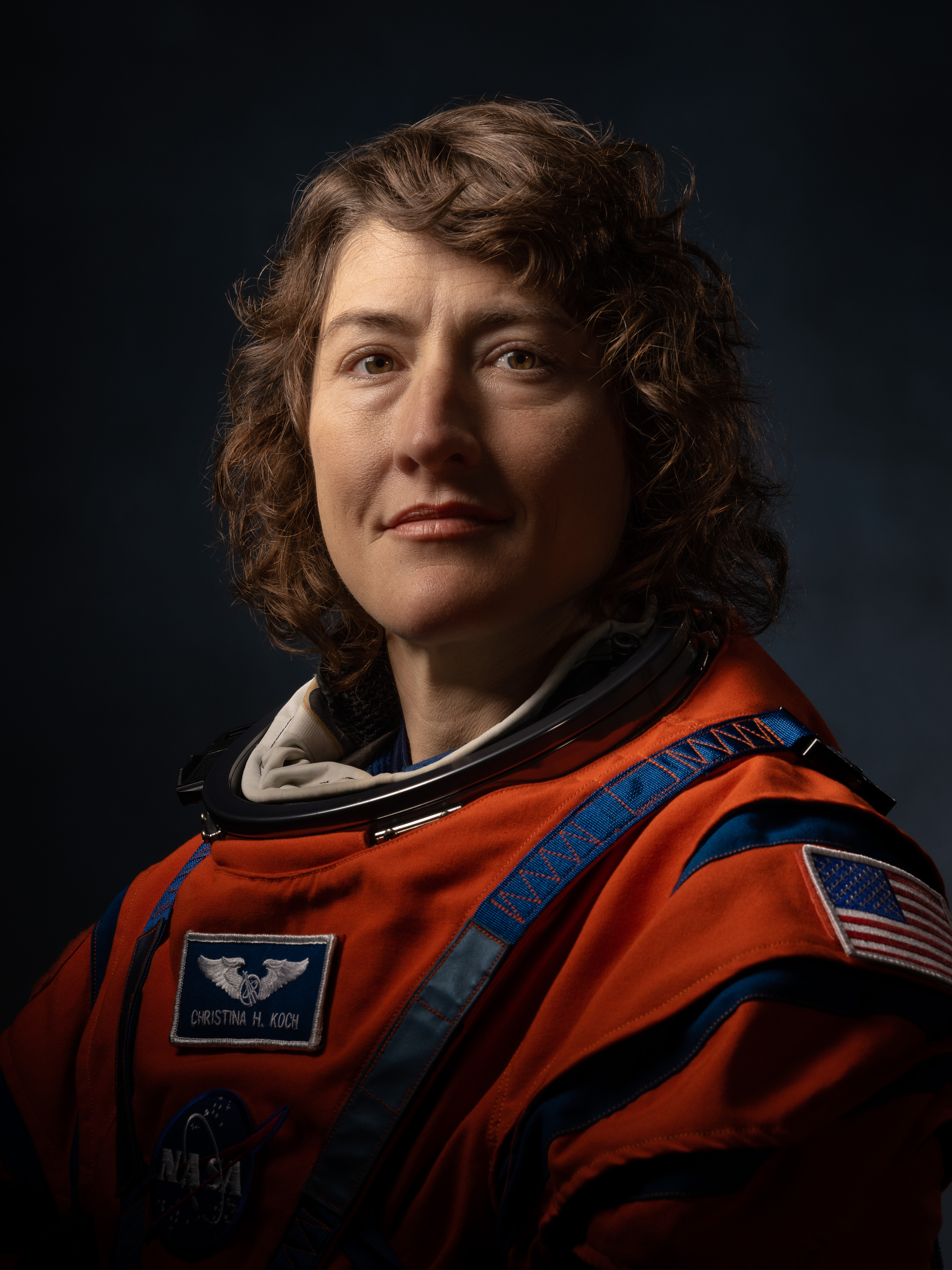
Christina Koch
AmericanRecord-holder for longest single spaceflight by a woman at 328 days
First woman to travel beyond low Earth orbit
Mission Specialist Jeremy Hansen represents the Canadian Space Agency, becoming the first non-U.S. citizen to journey this far into deep space. A former fighter pilot and colonel in the Canadian Armed Forces, Hansen was selected as a CSA astronaut in 2009. He served as CapCom at Mission Control, participated in the European Space Agency's CAVES program, and was a crewmember on NEEMO 19, living on the ocean floor for seven days to simulate deep-space exploration. Artemis II marks his first mission in space.

Jeremy Hansen
CanadianFormer fighter pilot and colonel, CapCom, ESA CAVES and NEEMO 19 participant
First non-U.S. citizen to travel beyond low Earth orbit
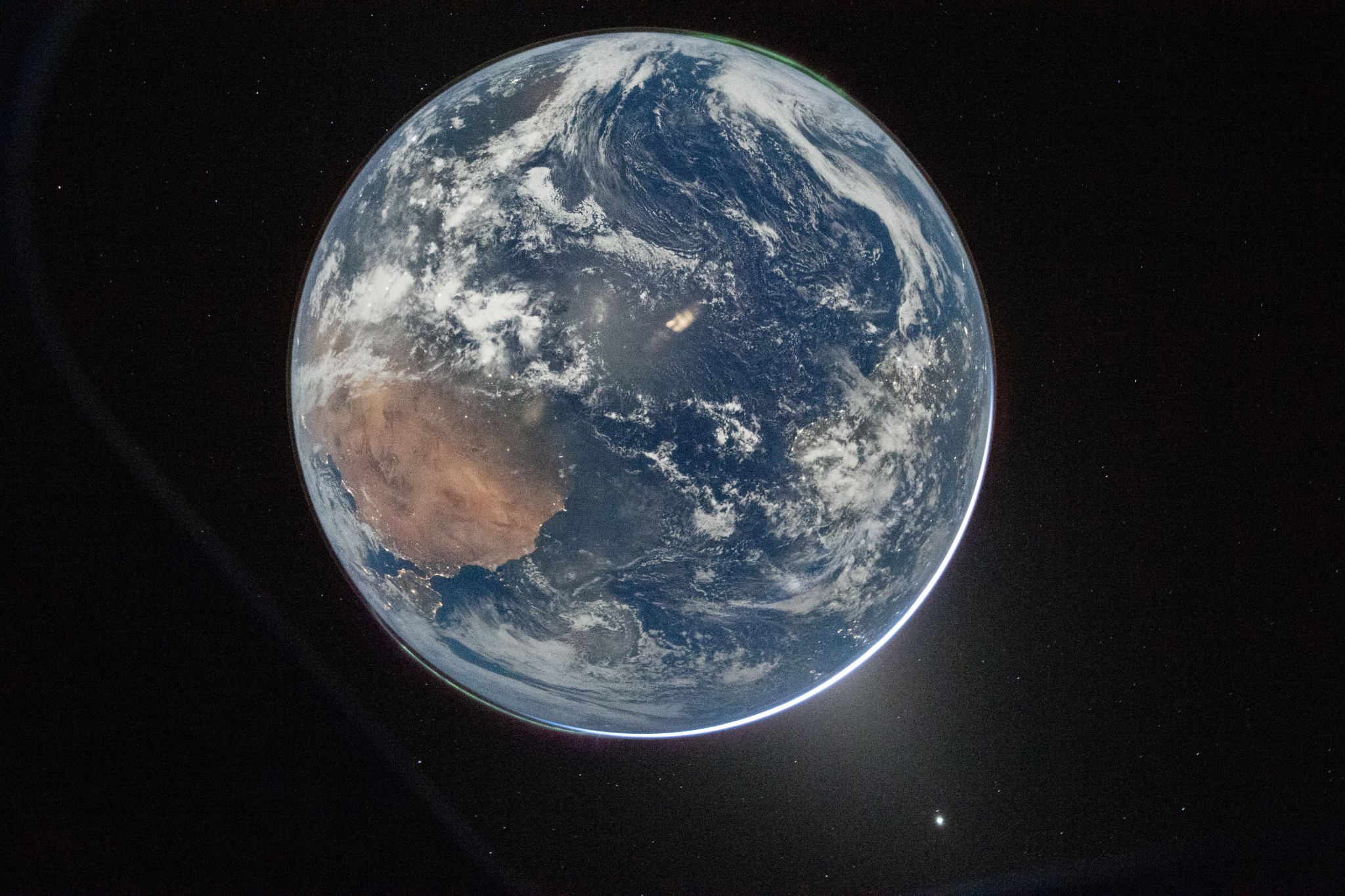 Earth photographed by Commander Reid Wiseman from the Orion spacecraft window, showing auroras and zodiacal light as Earth eclipses the Sun during translunar injection. Credit: NASA
What Happens at the Moon
Today, April 5, Orion reaches the lunar sphere of influence - the point where the Moon's gravity exerts more force on the spacecraft than Earth's. The lunar flyby itself is scheduled for April 6, lasting from 2.45 to 9.40 p.m. EDT. At closest approach, around 7.02 p.m., Orion will pass just 4,066 miles from the lunar surface.
From that distance, the crew will see the entire disk of the Moon at once, including regions near the north and south poles. They will also photograph areas of the far side of the Moon never seen directly by human eyes. The spacecraft is expected to surpass the Apollo 13 distance record by 4,102 miles, reaching a maximum distance of 252,757 miles from Earth.
When Orion passes behind the Moon, the mission will experience a planned 40-minute communications blackout beginning at approximately 5.47 p.m., as the Moon blocks radio signals between NASA's Deep Space Network and the spacecraft.
Splashdown is expected on April 10, 2026.
Artemis II Mission Timeline
Apr 1
Launch
SLS lifts off from KSC LC-39B at 6:35 p.m. EDT
Apr 2
Translunar Injection
Six-minute burn sends Orion on figure-eight trajectory to the Moon
Apr 5
Lunar Sphere of Influence
Moon gravity becomes dominant force on Orion
Apr 6
Lunar Flyby
Closest approach at 4,066 miles, 40-min comms blackout behind Moon
Apr 10
Splashdown
Orion returns to Earth after 10-day mission
Life Aboard Orion
While the crew profiles and flyby science dominate the headlines, the mission is also a critical test of Orion's habitability. The European Service Module, built by a consortium led by Airbus, manages thermal and life support systems while providing potable water, nitrogen, and oxygen to the four astronauts. With a wingspan of roughly 63 feet across its solar array wings, Orion is the only spacecraft currently rated to keep humans alive this far from Earth.