This Week in Space Tech #27
Welcome to This Week in Space Tech, for period of February 16 through February 21, 2026. A week that brought turbulence in the Artemis program, a milestone SpaceX reuse record, and more.
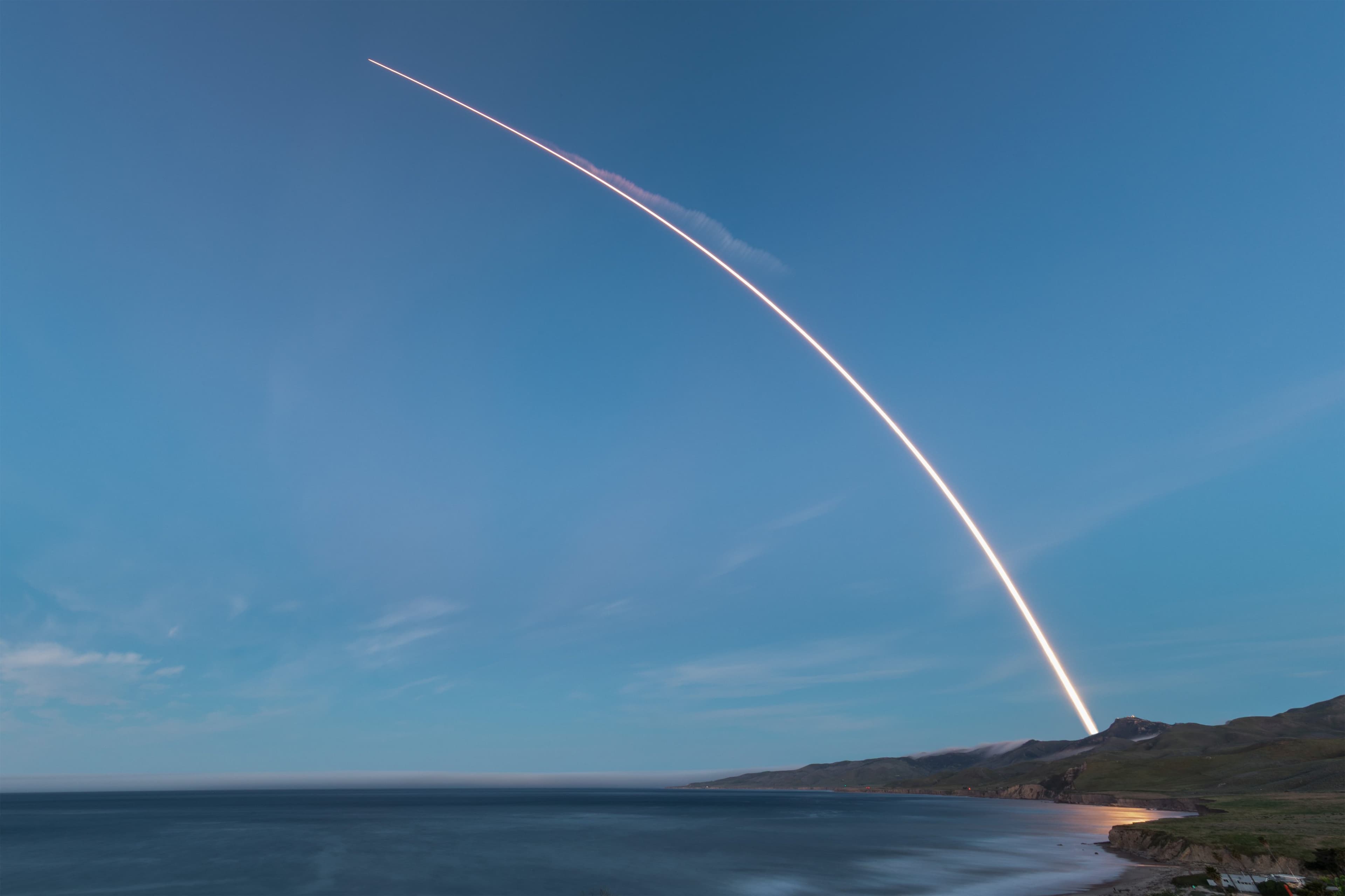
Image: SpaceX
Artemis 2 Hits a Wall
The countdown to NASA's first crewed lunar flyby in over fifty years took a serious blow this week.
- On February 20, NASA completed a critical propellant loading test of the Space Launch System rocket, and initial results appeared to show no major problems.
- Just one day later, on February 21, engineers discovered they could not repressurize the helium tanks in the rocket's upper stage - a fault serious enough to require rolling the entire vehicle back to the Vehicle Assembly Building for repairs.
- The delay pushes the Artemis 2 launch from its planned March window to at least early April, adding to a list of postponements that have already stretched the program thin.
SpaceX Keeps Stacking Records
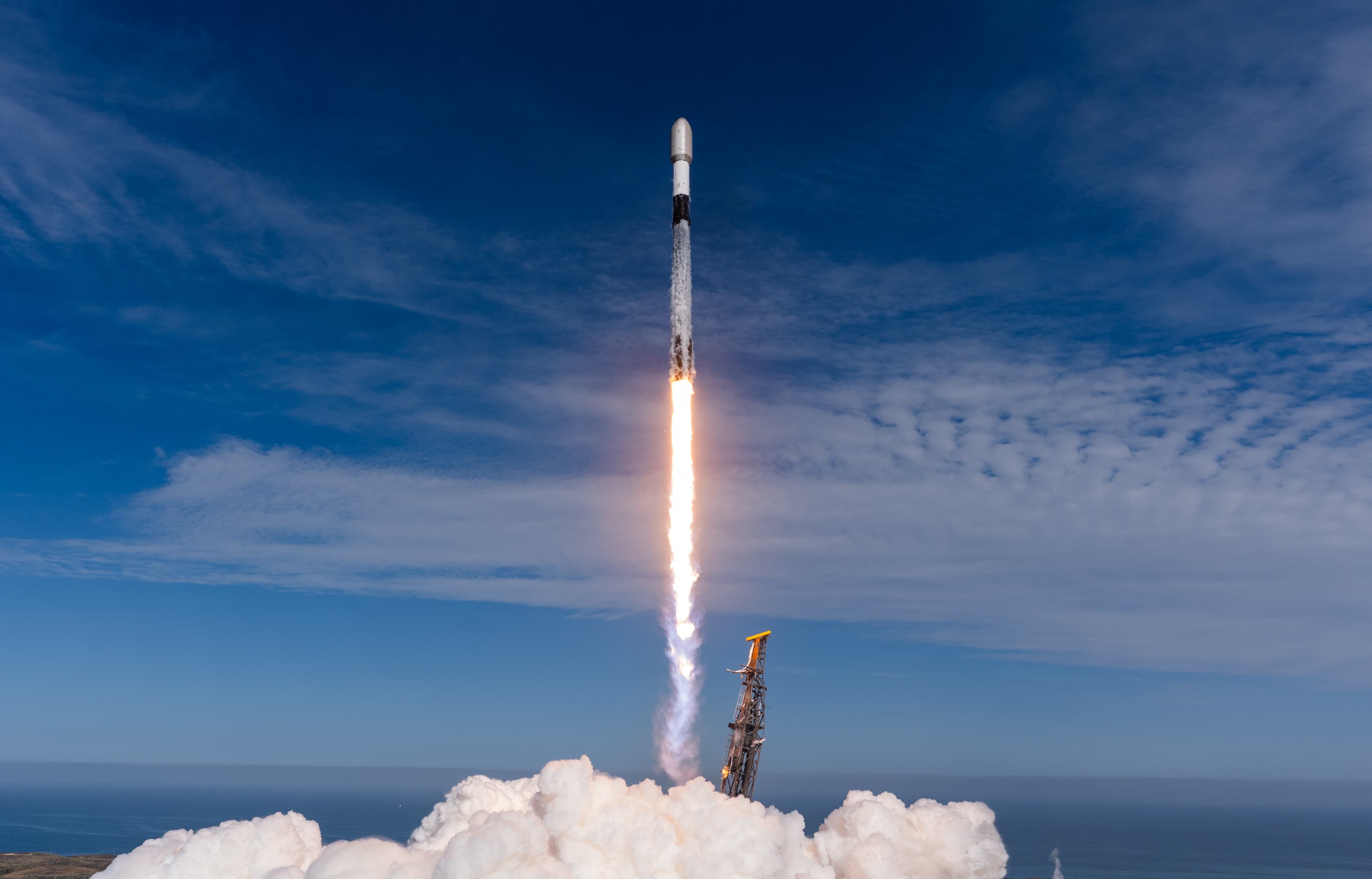
SpaceX had a characteristically busy week, with three Starlink missions launching across Florida and California.
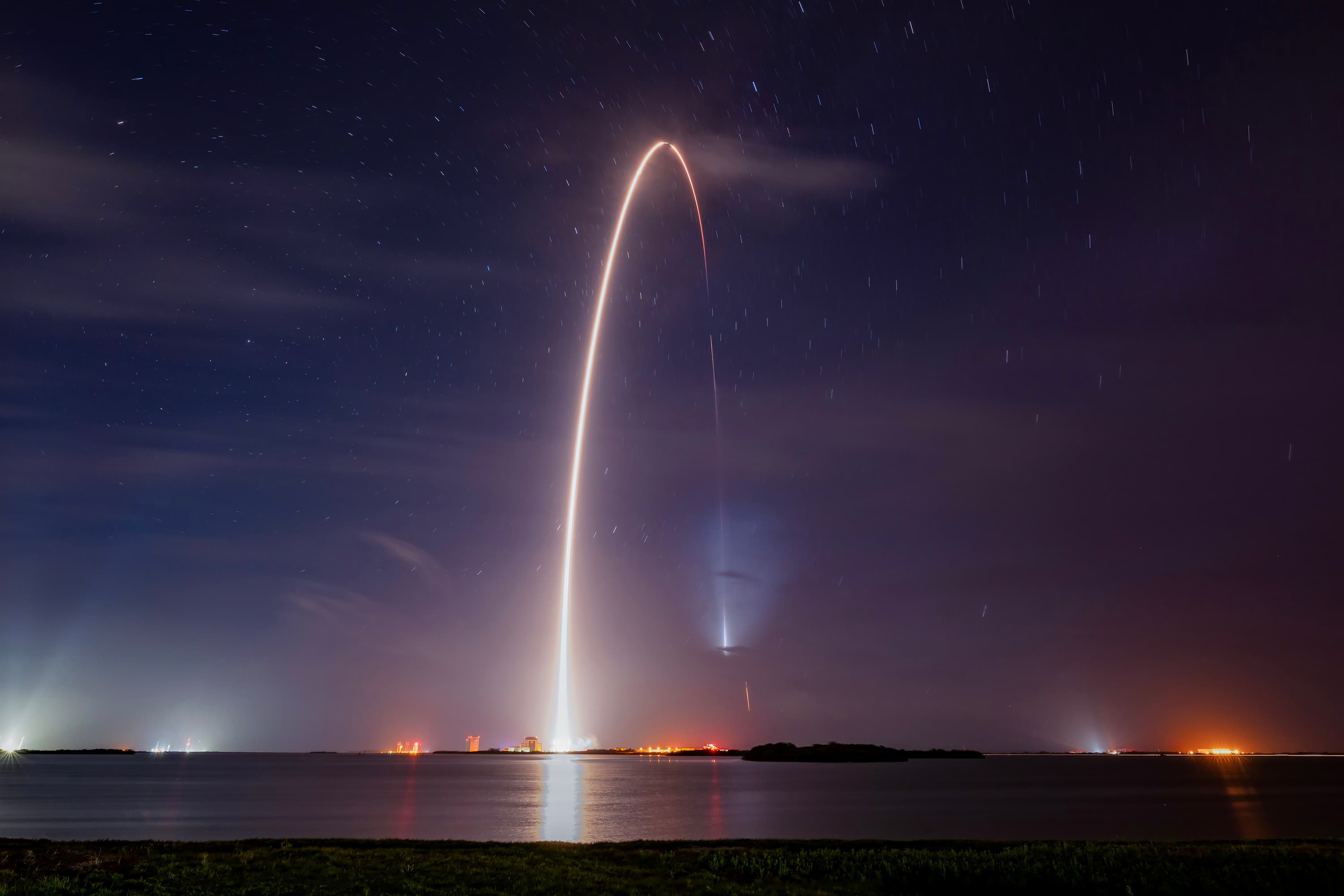
- On February 16, Starlink 6-103 lifted off from Cape Canaveral, marking the 10th orbital launch of 2026 from that pad alone.
- On February 20, a Falcon 9 carrying 25 Starlink satellites launched from Vandenberg Space Force Base after several days of weather delays.
- On February 21, a second Starlink mission from Cape Canaveral made history when its Falcon 9 booster completed its record 33rd flight, setting a new benchmark for rocket reuse.
On the Pad: Firefly Aerospace Preps for Return to Flight
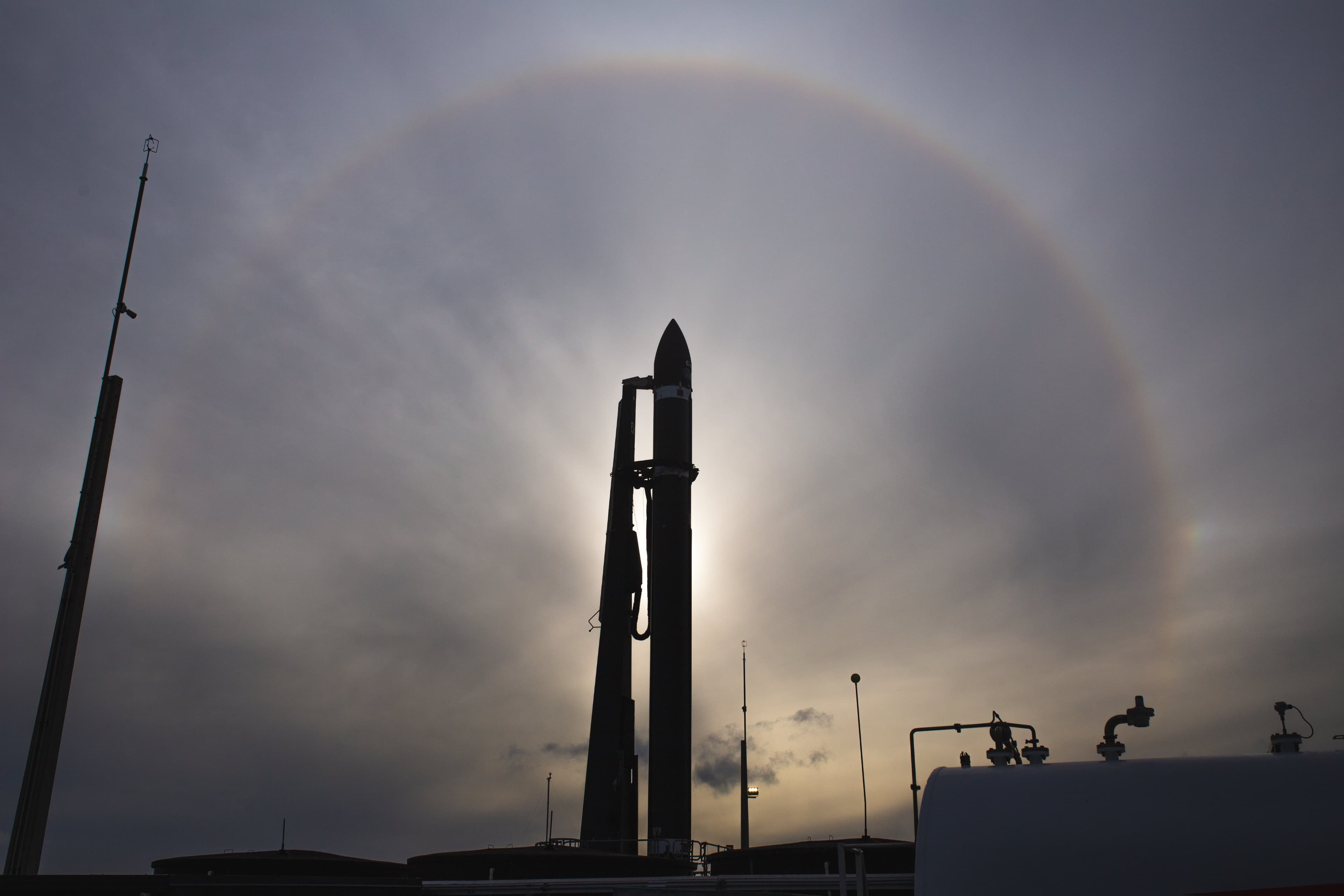
Firefly Aerospace had its Alpha rocket standing vertical at Vandenberg Space Force Base throughout the week, targeting a launch attempt for its "Stairway to Seven" return-to-flight mission.
- The mission, designated Alpha Flight 7, is the final planned flight of the rocket's current Block I configuration, after two separate anomalies grounded the vehicle in 2025.
- A 20-second static fire was successfully completed on February 6, and the team spent the week working through final prelaunch checks ahead of a late-February launch window.
- Flight 7 will carry no operational payload - its sole purpose is to validate stage performance and test key hardware for the upcoming Block II upgrade.