This Week in Space Tech #33
Welcome to This Week in Space Tech. This edition covers March 30 through April 5, 2026.
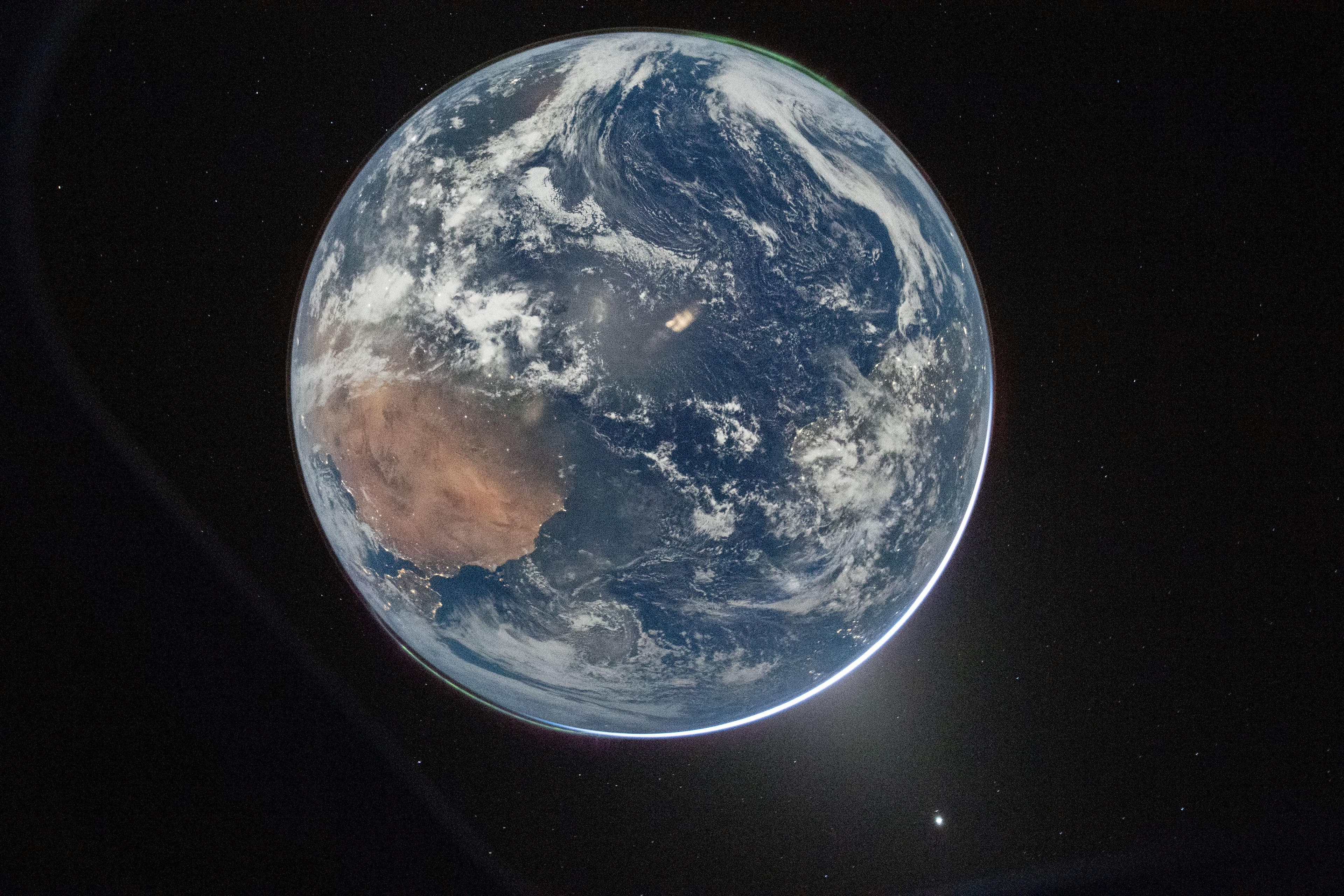
Image: NASA
There is really only one honest way to open it. For the first time since December 1972, human beings left Earth orbit and began traveling toward the Moon. Everything else this week was significant in its own right, but Artemis 2 is the kind of event that reminds you why you follow this industry in the first place.
Artemis 2 Launches, Burns for the Moon
The countdown that started March 30 at Kennedy Space Center culminated on April 1 with the most consequential crewed launch in over fifty years.
- NASA's SLS rocket and Orion capsule lifted off from Launch Complex 39B at 6.35 p.m. EDT, carrying commander Reid Wiseman, pilot Victor Glover, mission specialist Christina Koch, and Canadian Space Agency astronaut Jeremy Hansen on a planned 10-day journey around the Moon. The launch carried 90 percent favorable weather after a brief instrumentation scare involving one of the launch abort system batteries, which teams resolved as a sensor issue and not a hardware problem. Commander Wiseman radioed "We go for all of humanity" as the rocket cleared the tower.
- Approximately three and a half hours into the mission, pilot Victor Glover manually flew Orion through a series of proximity operations with the rocket's upper stage, testing the spacecraft's propulsion systems and close-approach capabilities.
- On April 2, at 7.49 p.m. EDT, Orion completed its translunar injection burn, a 5-minute-and-55-second engine firing that placed the spacecraft on a free-return trajectory around the Moon. It was the first time astronauts had left Earth orbit since Apollo 17 in 1972. Mission Control confirmed: "Integrity, looks like a good burn." The crew later reported the cabin was running cold and a fan in the toilet was acting up, but all systems remained in good health.
Starcloud and $170 million
Starcloud was the clearest signal that investors still want bold space infrastructure bets. The company raised $170 million on March 30 at a $1.1 billion valuation, pushing orbital compute and space-based data centers further into the mainstream of venture-backed space strategy. This is still a technically demanding thesis, but the size of the round shows that investors are willing to back companies aiming well beyond traditional satellite services.
SpaceX Sets a Booster Record and Launches 119 Payloads in a Single Day
March 30 was a remarkable day at SpaceX's launch sites on both coasts of the United States.
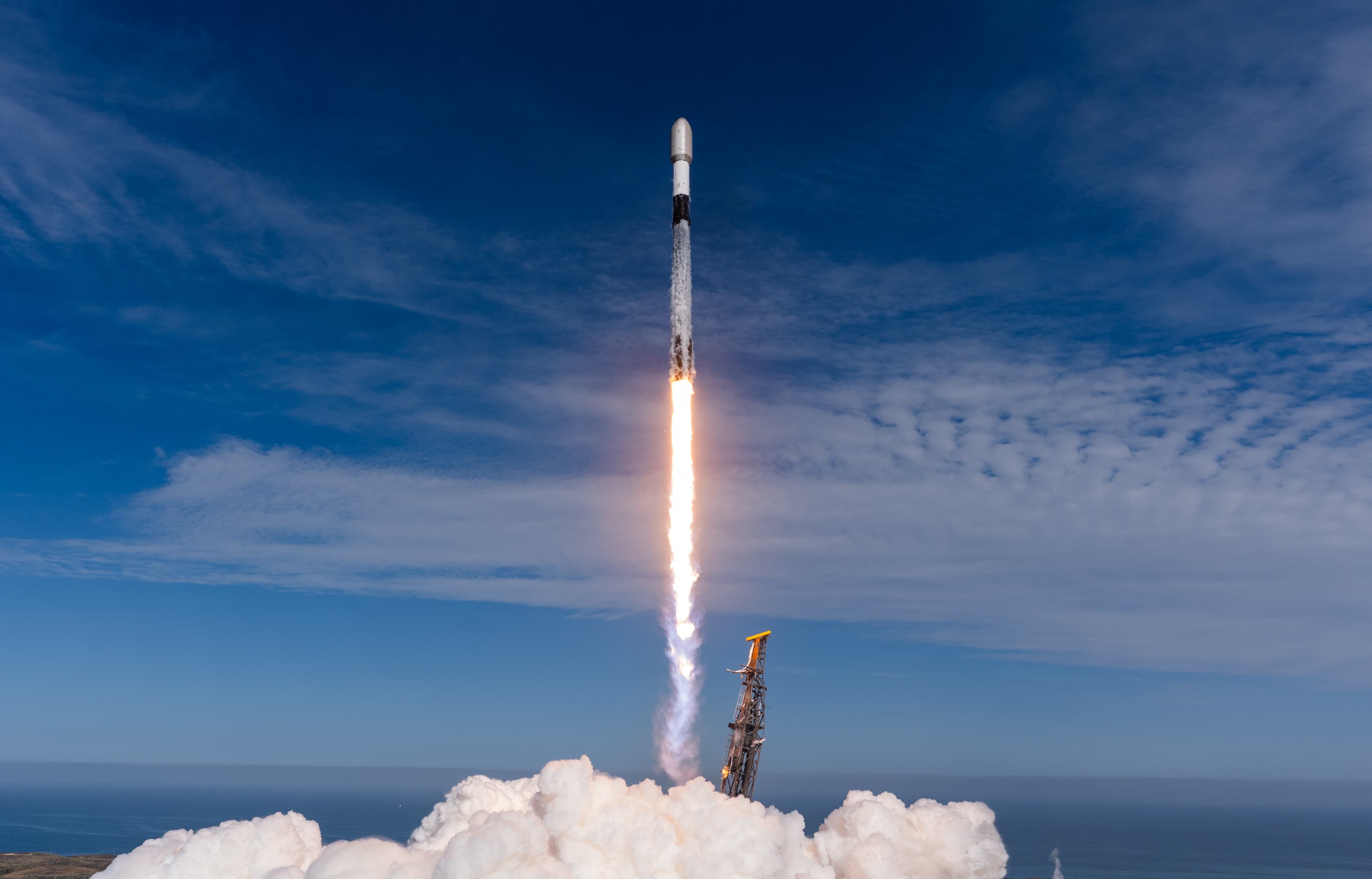
- Early that morning, Falcon 9 booster B1093 lifted off from Vandenberg Space Force Base at 4.02 a.m. local time on the Transporter-16 rideshare mission, carrying 119 individual payloads to a sun-synchronous orbit. The manifest spanned cubesats, microsatellites, orbital transfer vehicles, and technology demonstrators from companies and governments across 13-plus countries. Exolaunch managed 57 of the payloads for more than 25 clients. Notable onboard hardware included Aethero Space's Phobos, a 4U satellite featuring an Nvidia computing module intended to demonstrate AI processing in orbit. The mission was the 21st in SpaceX's Transporter series, pushing the program's cumulative total past 1,600 payloads delivered to orbit.
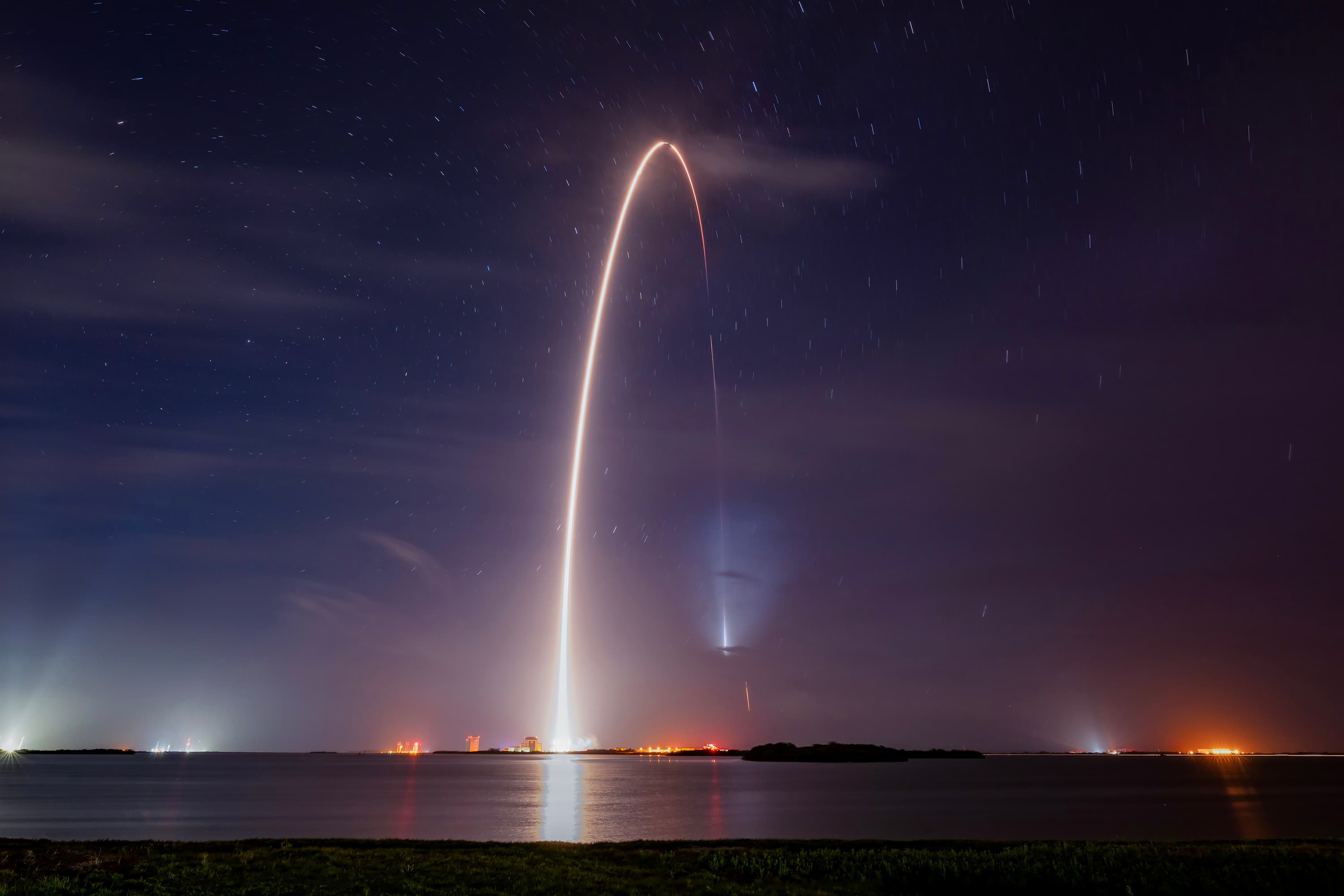
- Later the same afternoon, Falcon 9 booster B1067 launched from Cape Canaveral at 5.15 p.m. EDT carrying 29 Starlink satellites, setting a new reusability record with its 34th successful launch and landing. B1067 has been flying since June 2021, supporting missions ranging from Crew-3 and Crew-4 to two Dragon cargo resupply runs. SpaceX had originally designed the Block 5 booster to fly 10 times without major refurbishment and has steadily expanded that ceiling, now targeting 40. The booster landed on the drone ship "Just Read the Instructions" in the Atlantic Ocean approximately eight minutes after liftoff.
- Two launches, two coasts, one day, totaling 148 individual payloads to orbit in under 14 hours. It was a routine Monday at SpaceX by the numbers, which is itself the point.
Amazon Leo Notches Its Heaviest Atlas V Payload Yet
Exactly three days after the Artemis 2 launch, Amazon's satellite internet constellation took another step forward.
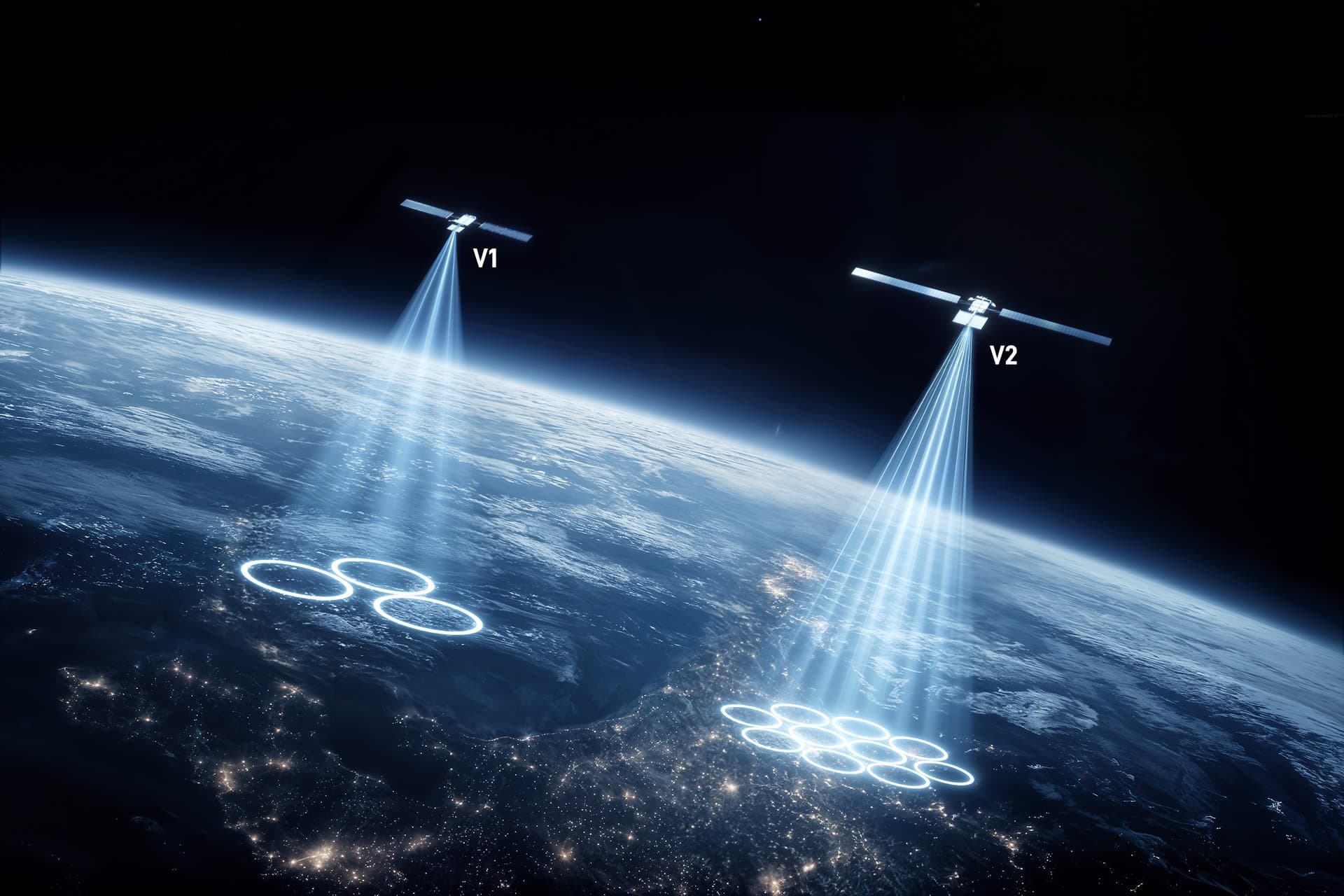
- A ULA Atlas V 551 rocket lifted off from Space Launch Complex 41 at Cape Canaveral at 1.46 a.m. EDT on April 4, carrying 29 Amazon Leo satellites in the LA-05 mission, the fifth operational deployment of the constellation on an Atlas V. The 29-satellite payload was the heaviest ever flown on an Atlas V, pushing the rocket to the limits of its 551-configuration capability.
- The launch brought the total of Amazon Leo production satellites in orbit to 270 across nine missions. Amazon faces an FCC deadline of July 30, 2026, to have at least half of its 3,236-satellite Gen-1 constellation in orbit and operational, and the company has been steadily increasing launch frequency with additional Falcon 9, Atlas V, Ariane 6, and eventually Vulcan flights on the manifest. The next Atlas V Leo mission, LA-06, was already planned for later in April.
- Amazon Leo, formerly known as Project Kuiper, rebranded in November 2025 and is targeting early broadband service in the United States, Canada, the United Kingdom, Germany, and France as the constellation grows toward operational density through 2026.
Antaris and Series A
Antaris added another important software story to the week. By April 2, the market had confirmation of a $28 million Series A first close for the company’s AI-driven mission software platform. In a sector that often focuses on hardware first, Antaris stands out as a reminder that mission design, simulation, and autonomous operations software are becoming core infrastructure in their own right.