This Week in Space Tech #31
Welcome to This Week in Space Tech. This edition covers March 16 through March 22, 2026, a week packed with genuine milestones and genuine problems in equal measure.
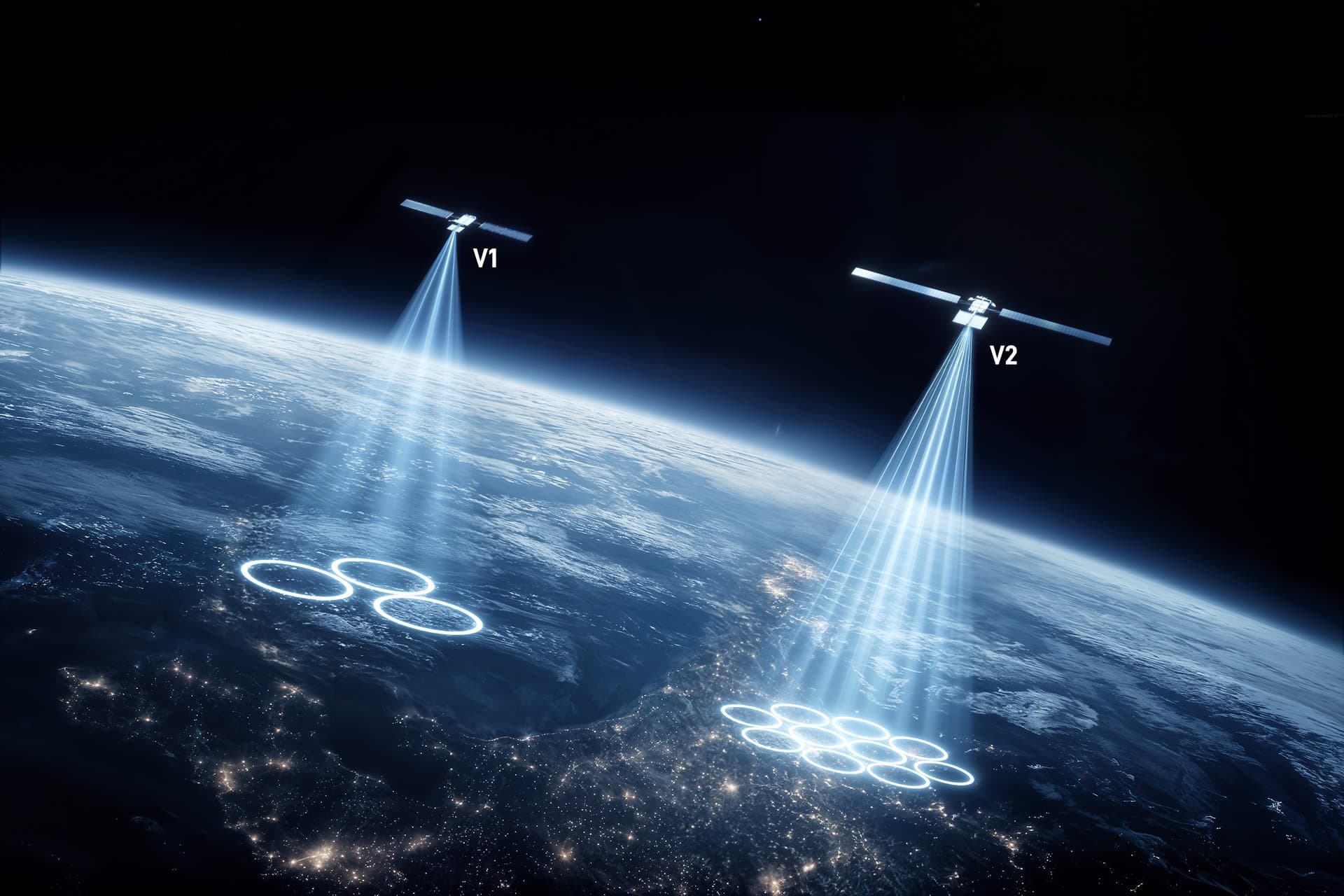
Image: SpaceX
Starlink crossed a threshold that felt hypothetical just a few years ago. Artemis 2 finally made it back to the launch pad. A spacewalk got done. A supersonic jet tried and stumbled.
Starlink Crosses 10,000 Simultaneous Active Satellites
The moment arrived in the early hours of Tuesday, March 17, without ceremony, as it usually does when SpaceX hits a milestone.
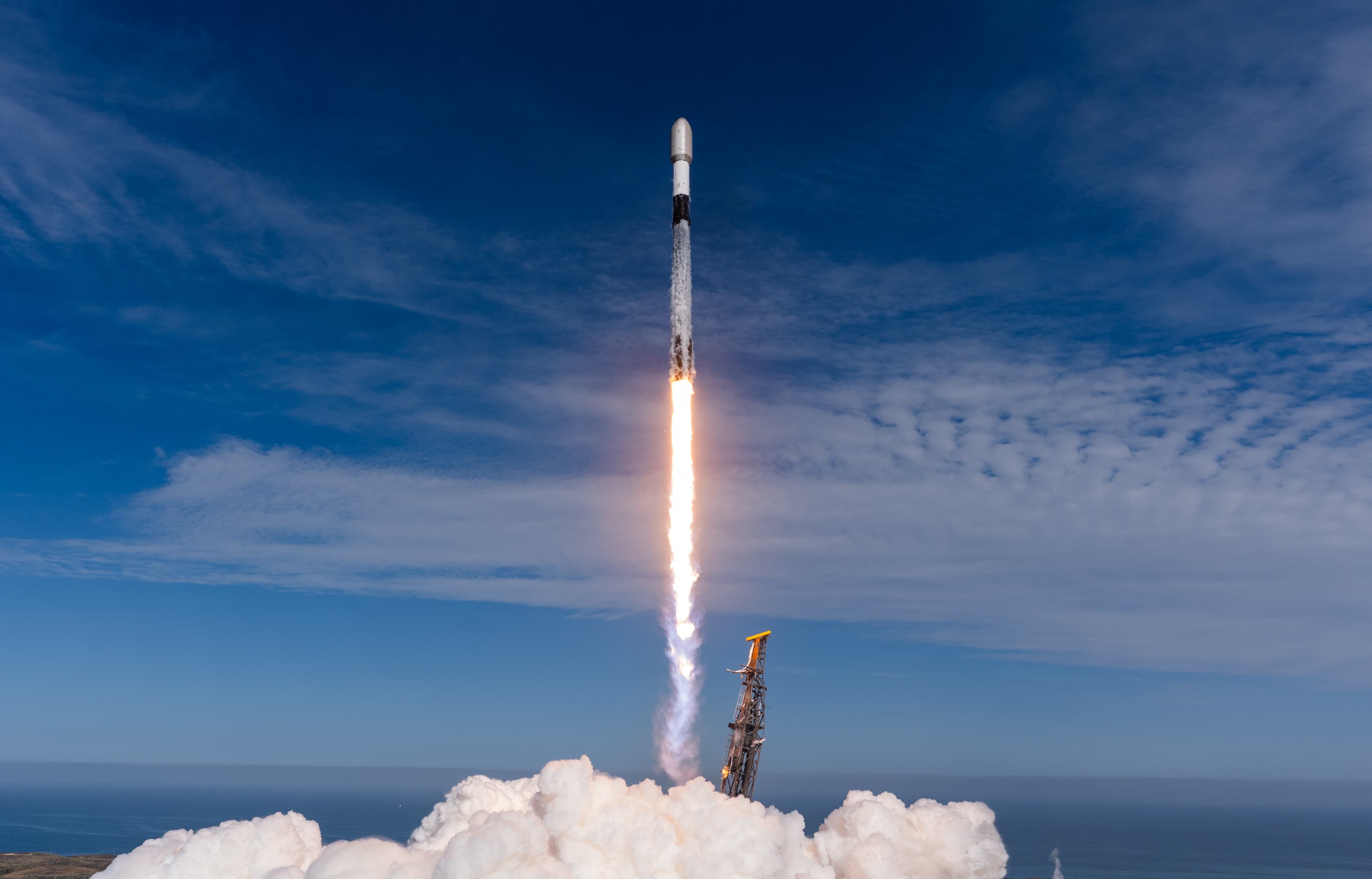
- At 10.19 p.m. PDT on March 16, a Falcon 9 lifted off from Vandenberg Space Force Base carrying 25 Starlink V2 Mini satellites. When they reached orbit and were confirmed healthy, SpaceX's active constellation crossed 10,000 simultaneously operational satellites for the first time in history. The number, confirmed by independent astrophysicist Jonathan McDowell, settled at approximately 10,020. More than 11,500 Starlinks have been launched in total since May 2019, with the rest deorbited or replaced.
- The milestone means Starlink now accounts for roughly two thirds of every active satellite in Earth orbit. The next largest constellation, OneWeb, has around 650. SpaceX has averaged a launch every 2.3 days so far in 2026.
- The launch coincided, fittingly, with the 100th anniversary of Robert Goddard's first liquid-fueled rocket flight. A century after a small fuel-and-gasoline machine briefly left a snowy Massachusetts field, a reused kerosene-powered booster was kicking off its 14th flight and adding to a 10,000-strong constellation orbiting at 17,000 miles per hour.
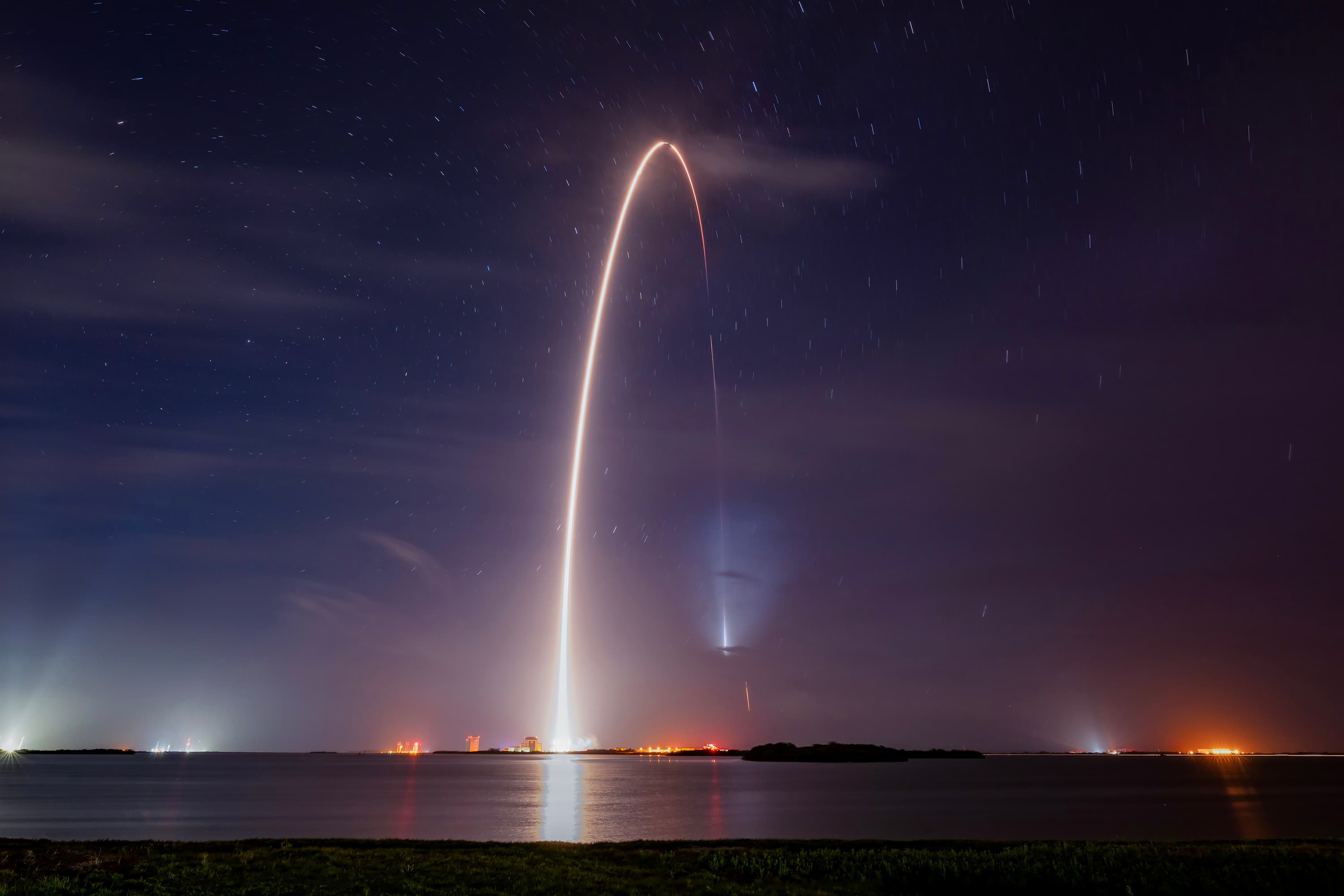
SpaceX did not slow down after the milestone. A second batch of 29 Starlink satellites launched from Cape Canaveral on March 18, followed by a third mission on March 20 from Vandenberg and a fourth from Cape Canaveral on March 22, pushing the 2026 total well past 37 orbital missions in under 12 weeks.
ISS Gets Its First Spacewalk in Ten Months
March 18 marked the first time NASA had sent astronauts outside the International Space Station since May 2025, a gap of roughly ten months driven by the chaotic crew reshuffles that followed the Starliner stranding and the unprecedented Crew-11 medical evacuation.
- Expedition 74 astronauts Jessica Meir and Chris Williams exited the Quest airlock at 8.52 a.m. EDT and spent seven hours and two minutes working in open space. For Williams, it was his first spacewalk. For Meir, it was her fourth, having previously made history during the first all-female spacewalk in 2019.
- The primary objective was installing a solar array modification kit to prepare the 2A power channel for the future attachment of a new roll-out solar array panel. The original ISS solar arrays have exceeded their 15-year design life and been degrading for years. When all six new roll-out solar arrays are installed, the station's power budget will increase by 20 to 30 percent, supporting expanded commercial activities and the station's eventual planned deorbit.
- A second spacewalk to prepare the 3B power channel is expected in the coming weeks. Once both channels are prepped, the actual installation of the new arrays can follow.
Artemis 2 Makes It Back to the Pad
After weeks of repairs inside the Vehicle Assembly Building, NASA's SLS rocket and Orion capsule finally rolled back out to Launch Complex 39B on the night of March 19 into the morning of March 20.
- The crawler-transporter began moving at 12.20 a.m. EDT on March 20 after high winds earlier on March 19 delayed the start time by roughly four hours. The 4-mile journey to the pad took about 12 hours, the same slow mile-per-hour crawl that has carried rockets to that pad since Apollo. The stack arrived at LC-39B and was secured on the same morning.
- While the rocket was in the VAB, engineers replaced and recharged the flight termination system batteries on the core stage, solid rocket boosters, and upper stage. They also replaced a seal on the core stage liquid oxygen feed line, reassembled and retested the oxygen tail service mast umbilical plate, and resolved the helium pressurization fault in the Interim Cryogenic Propulsion Stage that had grounded the mission in the first place.
- The crew, commander Reid Wiseman, pilot Victor Glover, mission specialist Christina Koch, and Canadian Space Agency astronaut Jeremy Hansen, formally entered quarantine on March 18, two days before rollout. All four are confirmed healthy and cleared for the April 1 launch opening.
X-59 Flies Again, But Not for Long
March 20 was also the day NASA's experimental quiet supersonic jet made its second-ever flight, and a cockpit warning light cut it short after just nine minutes.
- The X-59, built by Lockheed Martin's Skunk Works and operated out of NASA's Armstrong Flight Research Center at Edwards Air Force Base, lifted off at 10.54 a.m. local time with test pilot Jim "Clue" Less at the controls. This was the second flight for the aircraft, following its debut in October 2025.
- About nine minutes into the planned hour-long flight, a warning light illuminated in the cockpit. Less brought the aircraft down immediately for a controlled landing as safety protocols required. NASA confirmed the pilot landed safely and that data was gathered before the warning appeared. Project manager Cathy Bahm said the team was focused on getting back to flight as soon as possible.
- The second flight was meant to kick off "envelope expansion," a phase in which NASA gradually pushes the X-59 faster and higher toward its eventual goal of Mach 1.4 at 55,000 feet. The aircraft is designed to produce a soft thump instead of a thunderous sonic boom, and if it can demonstrate that in community overflight tests, the data will go directly to regulators considering lifting the U.S. prohibition on civil supersonic flight over land that has been in place since 1973.