This Week in Space Tech #28
Welcome to This Week in Space Tech. This edition covers February 22 through March 1, 2026.
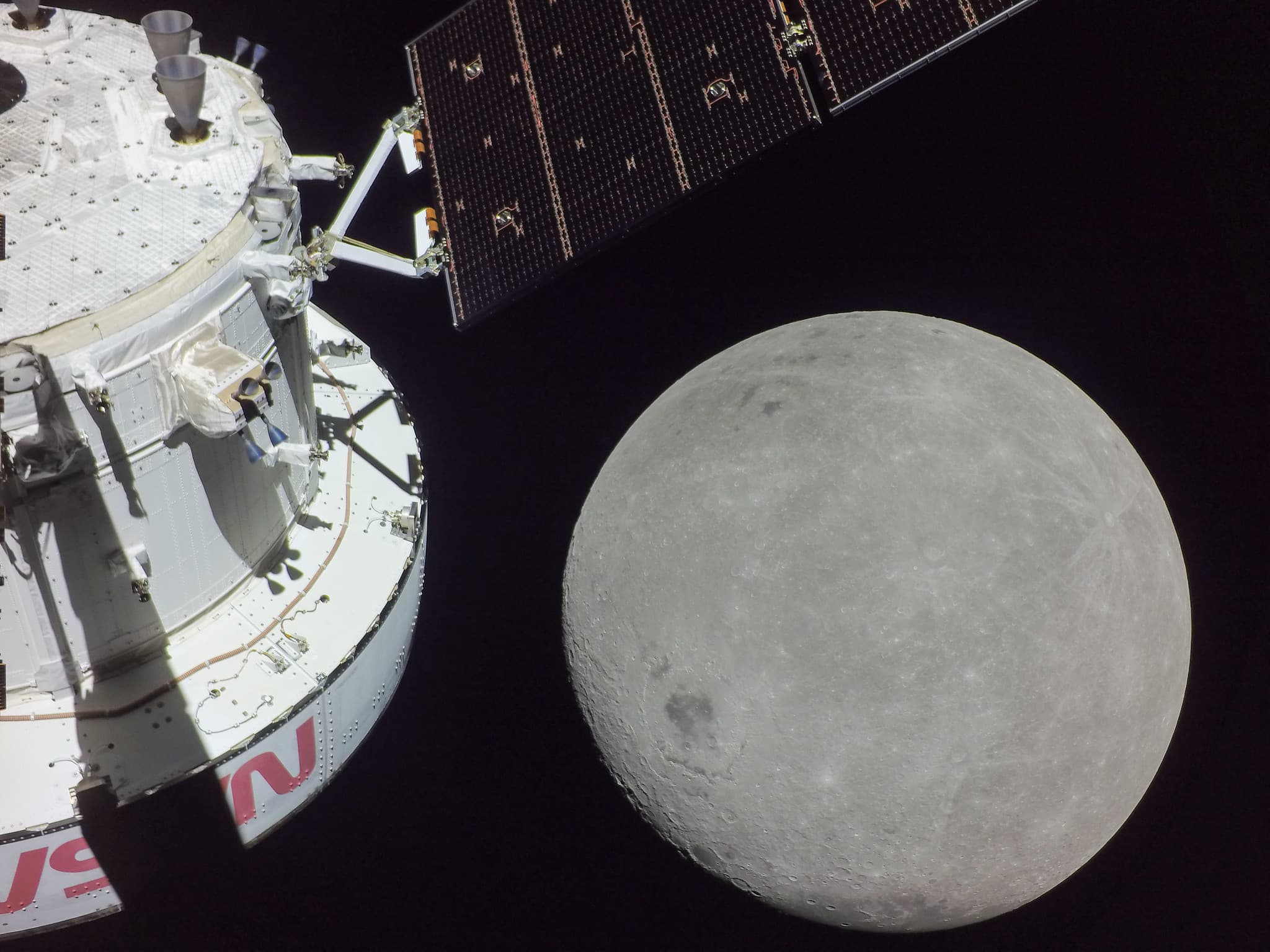
Image: NASA
A week dominated by one of the biggest NASA announcements in years, a historic Dragon splashdown, and two notable funding rounds in the space startup world. There was also real progress on Starship Flight 12, even if the rocket stayed firmly on the ground.
NASA Blows Up the Artemis Roadmap
The biggest story of the week by a significant margin broke on Friday, February 27, when NASA Administrator Jared Isaacman held a press conference at Kennedy Space Center and announced a sweeping restructure of the entire Artemis lunar program.
- Artemis III, which had been planned as the first crewed Moon landing since Apollo 17, will no longer go to the surface. Instead, it will launch in mid-2027 as a low-Earth orbit test flight, where astronauts will rendezvous and dock with SpaceX's Starship lunar lander and Blue Origin's Blue Moon, testing the full docking and life support chain before anyone commits to landing on the Moon.
- Artemis IV becomes the new first Moon landing attempt, targeting 2028. NASA hopes to fly Artemis V, a second landing, within the same year. Isaacman explicitly called out that flying once every three years is unacceptable and said NASA should be turning around SLS every ten months.
- The announcement came after the Aerospace Safety Advisory Panel released a damning report earlier in the week concluding that the Artemis III baseline mission "cannot be accomplished with appropriate margins of safety." Isaacman framed the overhaul as getting back to the Apollo-era model: build up skills progressively, test incrementally, then land. NASA also cancelled further development of the more powerful Exploration Upper Stage, standardizing all future SLS rockets in a near-identical Block 1 configuration to keep the production line consistent and fast.
Just two days earlier, on February 25, the physical hardware confirmed the program's struggles: NASA's crawler-transporter hauled the entire SLS and Orion stack off the launch pad at Kennedy and back into the Vehicle Assembly Building, a four-mile journey that took most of the day. Engineers need to investigate and fix a helium pressurization fault in the Interim Cryogenic Propulsion Stage that was discovered after an otherwise successful wet dress rehearsal the week before.
SpaceX Dragon Wraps a Landmark ISS Mission
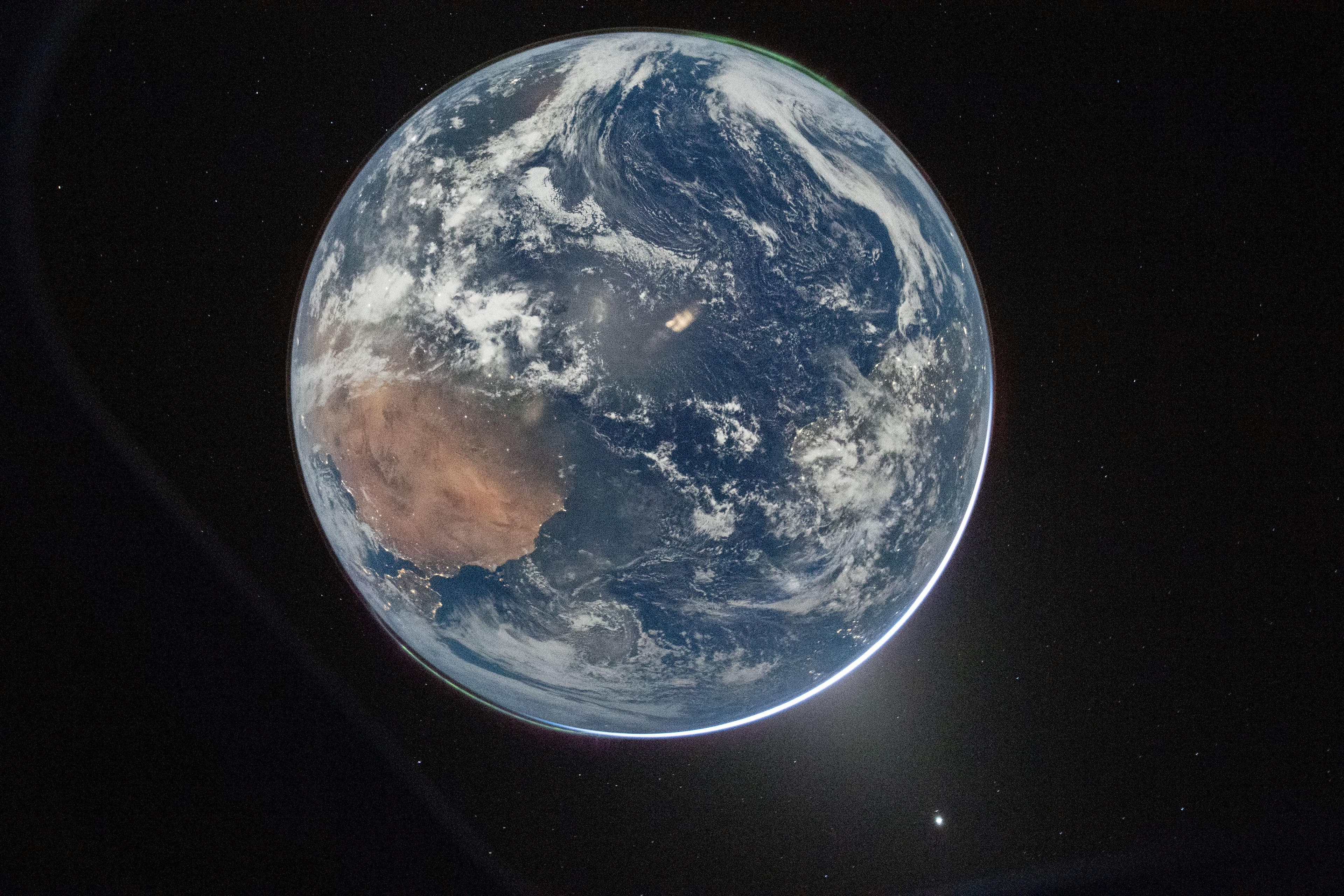
On February 26, SpaceX's Cargo Dragon undocked from the International Space Station after a 185-day stay that made it one of the most operationally significant cargo missions in the history of the program.
- The capsule, launched back in August 2025, performed six orbital reboosts of the ISS during its stay, a role that has historically belonged to Russian Progress freighters. With uncertainty growing around long-term Russian participation in the station, Dragon's demonstrated ability to help maintain orbital altitude carries real strategic weight.
- Dragon splashed down in the Pacific Ocean off the California coast in the early hours of February 27. Along with crew supplies and hardware, it returned samples from the Euro Material Aging study, which exposed 141 material samples to space for a full year to test how coatings, insulation, and 3D-printed components degrade in orbit.
- The mission, designated CRS-33, was SpaceX's 33rd commercial cargo run to the ISS and the company's 50th Dragon flight to the station overall, counting both cargo and crew variants.
Starship Flight 12 Inches Toward the Pad
SpaceX had a busy week at Starbase in South Texas as the team pushed hardware through its preflight test campaign for Starship Flight 12, the first flight of the next-generation V3 configuration.
- On February 26, Ship 39, the first V3 Starship upper stage, was rolled out from Mega Bay 2 to the Massey test site for cryogenic proof testing. The vehicle features a redesigned heat shield, new catch-point hardware for eventual tower catches, and newly designed aft and forward flap systems.
- Booster 19, the matching V3 Super Heavy, had been working through engine installation in the production bay. The booster needs to complete a full 33-engine static fire at Pad 2 before the stack can be cleared for launch, which remains targeted for March.
- Pad 2 itself, which will host Starship for the first time on Flight 12, had already passed a full-scale water deluge system test in the week prior, confirming the pad infrastructure is ready to handle the ignition of 33 Raptor 3 engines.
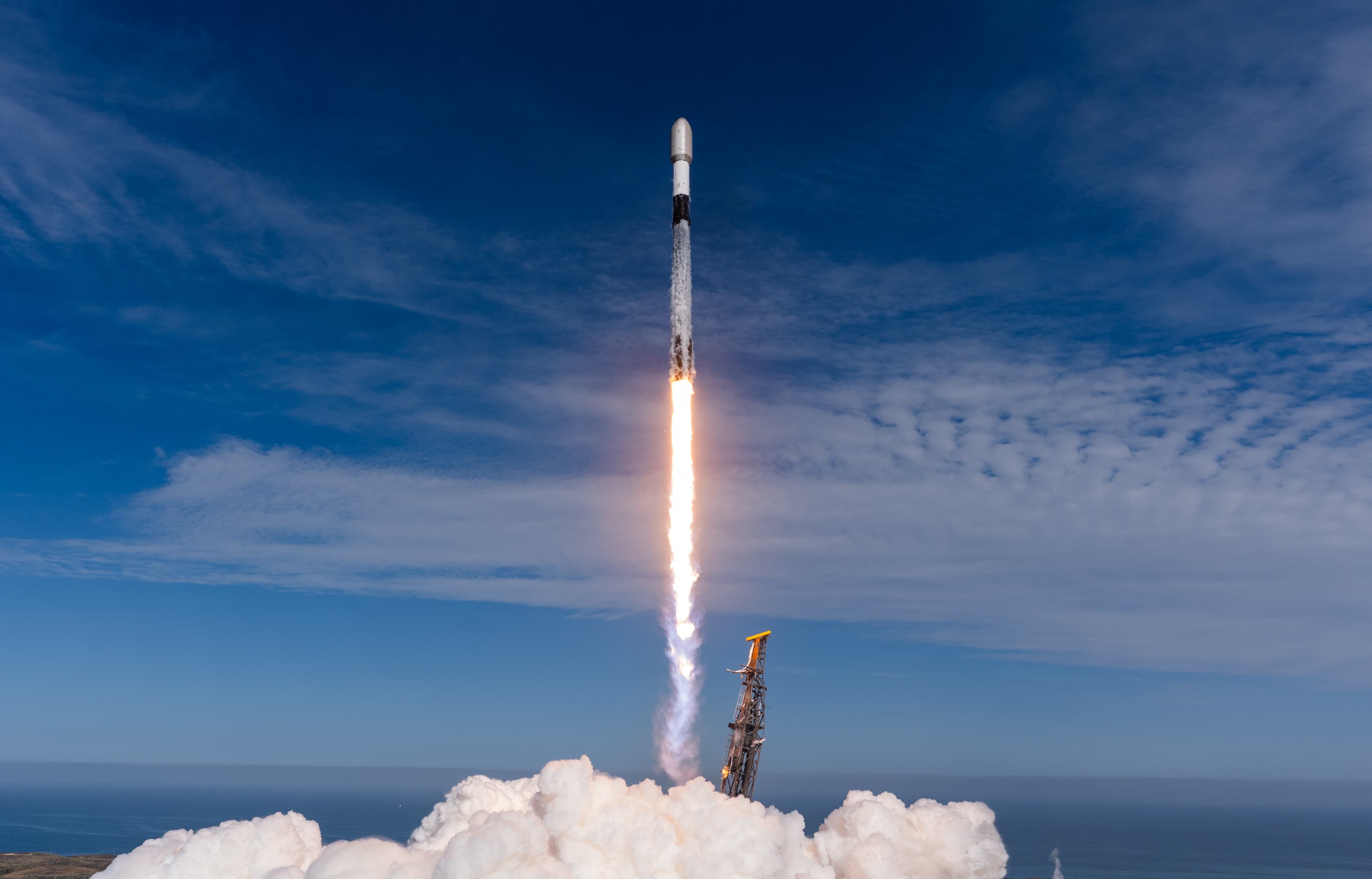
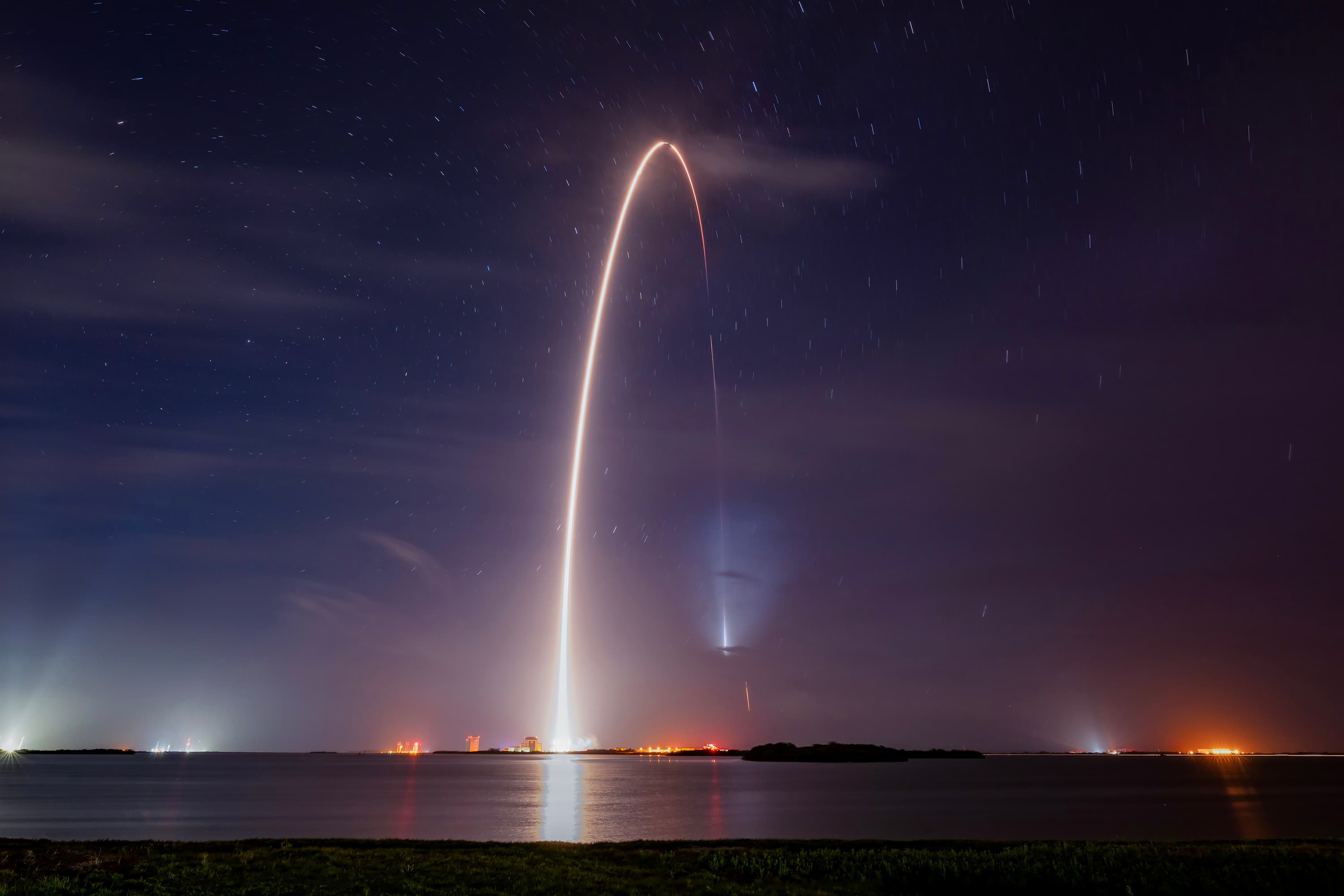
By February 27, SpaceX had already logged 26 Falcon 9 launches in 2026, roughly one every two and a half days. The company also flew a batch of 29 Starlink satellites from Cape Canaveral on February 27, continuing its relentless satellite deployment pace.
Space Startups Draw Fresh Capital
Two notable funding rounds closed during the week, both targeting infrastructure that the growing space economy increasingly depends on.
- On February 23, Aalyria, a satellite network orchestration startup spun out of Google in 2022, announced the closing of a $100 million Series B round led by Battery Ventures and J2 Ventures. The deal values the company at $1.3 billion. Aalyria makes two core products: Spacetime, a software platform that manages directional satellite links in real time as assets move, and Tightbeam, a laser communications terminal capable of transmitting data at fiber-like speeds through the atmosphere. Its customers include Telesat, NASA, and the U.S. government. Investors cited the post-Starlink environment, where dozens of competing constellations now exist but have no common layer to route traffic between them, as the central reason for the bet.
- On February 24, Sophia Space announced a $10 million seed round led by Alpha Funds, KDDI Green Partners Fund, and Unlock Venture Partners. The Pasadena-based startup, founded by former NASA Jet Propulsion Laboratory engineers, is developing modular satellite computing units called Tiles, which use a passive thermal cooling system to keep high-powered chips operational in orbit. The company is targeting orbital data centers for AI inference and real-time Earth observation processing, and plans to demonstrate its platform in orbit by late 2027.