This Week in Space Tech #30
Welcome to This Week in Space Tech. This edition covers March 9 through March 15, 2026.
Image: SpaceX
A week that delivered one of the most emotionally satisfying launches of the year so far, a critical milestone for NASA’s crewed lunar mission, and a barnstorming stretch of Starship hardware testing at a brand-new launch pad.
Firefly Finally Flies
After more than ten months of standing down following the April 2025 failure of "Message in a Booster," Firefly Aerospace's Alpha rocket returned to flight on March 11, and it did so with a clean bill of health.
- The first two attempts during the week were not to be. On March 9, the countdown was called off due to an out-of-range sensor reading. On March 10, teams loaded propellant and got close, but a fresh set of off-nominal readings during fluid loading forced another scrub. Engineers ran additional diagnostics overnight and cleared the vehicle for a third attempt.
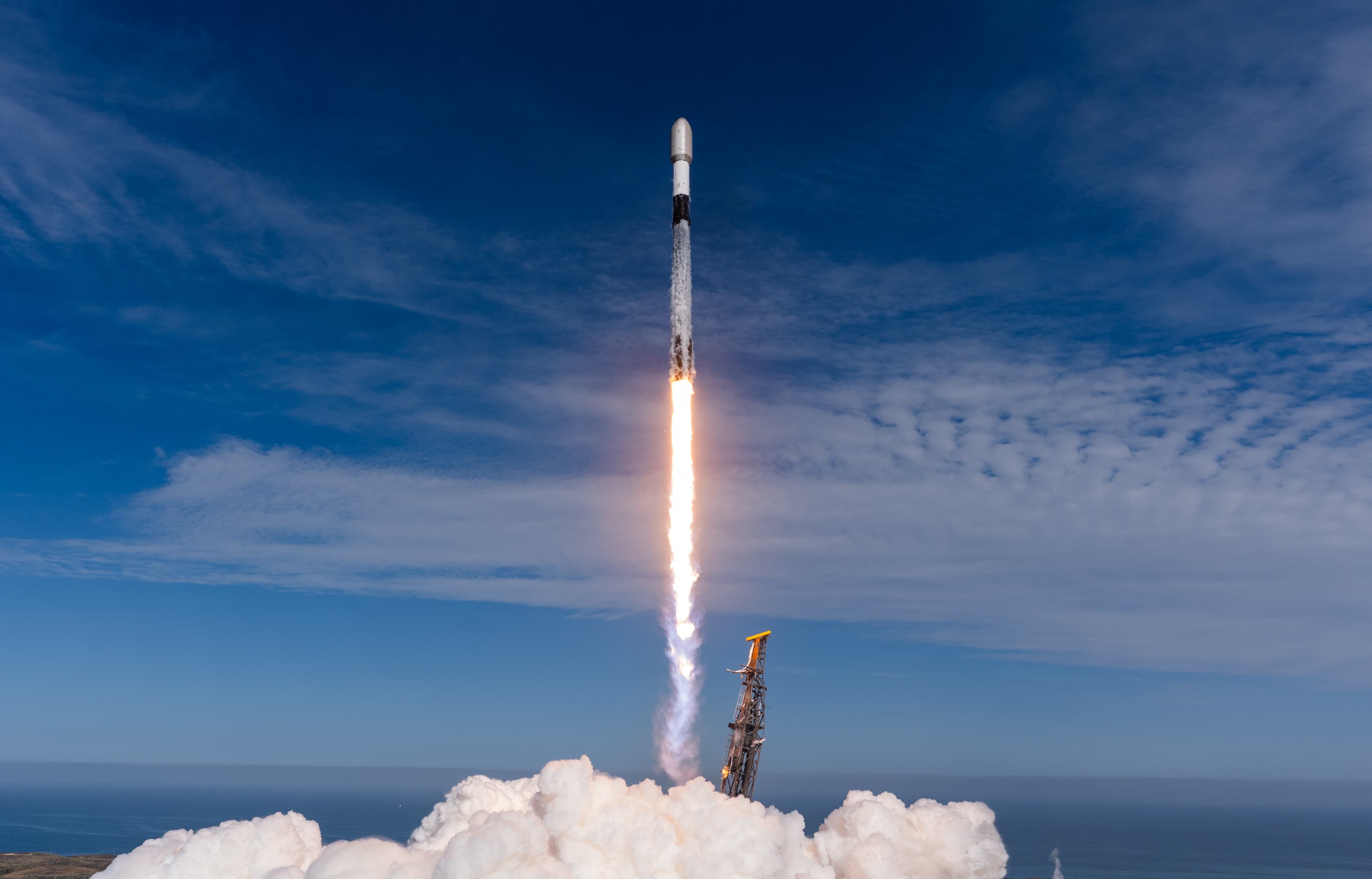
- On the evening of March 11, Alpha lifted off from Space Launch Complex 2W at Vandenberg Space Force Base at 5.50 PM local time. The rocket executed a flawless ascent, achieved nominal first-stage separation at roughly two minutes and forty seconds, performed a second-stage engine relight, and confirmed a nominal orbit insertion. The mission delivered a demonstrator payload for Lockheed Martin into low Earth orbit.
- The "Stairway to Seven" mission was the final flight of Alpha's Block I configuration. Beyond just proving the rocket can fly again, the mission validated key Block II systems in flight conditions, including a new in-house avionics suite and an enhanced thermal protection system. The Block II variant, which will debut on Flight 8, will be seven feet taller and feature stronger automated composite structures. Firefly CEO Jason Kim called it "flawlessly executed," and the company's survival instinct, rare among small launch startups, looked well justified.
Artemis 2 Gets Its Green Light
March 12 was the day that NASA's Moon mission stopped feeling theoretical and started feeling real.
- NASA concluded its two-day flight readiness review for Artemis 2, and all teams polled "go" to proceed toward a crewed lunar flyby. Lori Glaze, acting associate administrator for Exploration Systems Development, confirmed that the review covered the status of the rocket, the results of the recent repairs, remaining prelaunch work, and the overall risk posture of a mission that will be the first crewed test of both the Space Launch System rocket and the Orion capsule together.
- Engineers had spent the weeks since the February 25 rollback replacing a valve and completing an extensive series of helium pressurization repairs on the Interim Cryogenic Propulsion Stage. The FRR confirmed that this work was successfully completed inside the Vehicle Assembly Building.
- NASA announced it would roll the integrated SLS and Orion stack back to Launch Complex 39B targeting March 19, setting up a launch opportunity that opens April 1. The crew, commander Reid Wiseman, pilot Victor Glover, mission specialist Christina Koch, and Canadian astronaut Jeremy Hansen, will fly a 10-day free-return trajectory around the Moon, venturing roughly 4,700 miles beyond its far side, farther than any human has traveled since Apollo 17.
Starship's New Pad Gets a Workout
Starbase's second launch complex, Pad 2, had a busy week as SpaceX pushed Booster 19 through an aggressive testing campaign that drew attention from the broader spaceflight community.
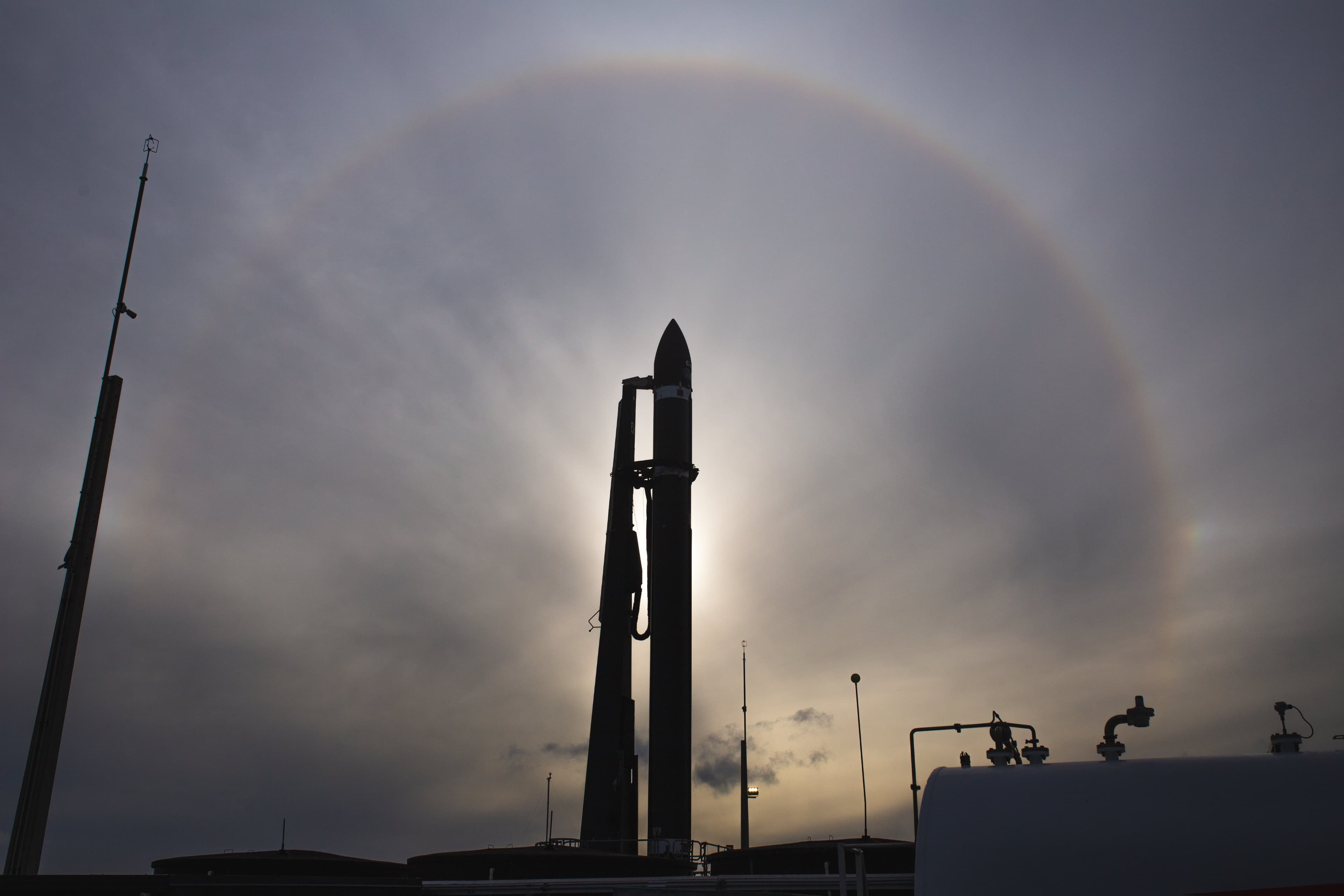
- On March 10, SpaceX conducted a full propellant loading test of Booster 19, the first V3 Super Heavy, on the Orbital Launch Mount at Pad 2. The test fully loaded both the liquid oxygen and liquid methane tanks. Engineers clocked the full loading sequence at approximately 30 minutes, a tanking speed record not just for Starship but among the fastest for any SpaceX vehicle, achieved while moving more than ten times the propellant mass of a Falcon 9. The same day, the team completed a spin prime test on the booster's 33 Raptor 3 engines.
- SpaceX filed road closures for March 11 through 13, and again for March 15 through 18, maintaining the pace of testing. By March 15, the static fire test, where all 33 Raptor 3 engines would ignite simultaneously with the booster tethered to the pad, was clearly days away. Booster 19 was temporarily lifted off the mount mid-week for overnight engine bay inspections before being reinstalled and declared ready for the next test phase.
- Pad 2's activation is not a footnote. With it operational alongside the original Pad 1, SpaceX has effectively doubled its Starship launch capacity at Starbase, removing the long-standing structural bottleneck where every anomaly or refurbishment cycle froze the entire program.
SpaceX Adds a Commercial GEO Mission and Three More Starlink Batches
Between Falcon 9 flights from California and Florida, SpaceX added to an already staggering 2026 launch pace with four separate missions during the week.
- On March 10, Falcon 9 booster B1085 lifted off from Cape Canaveral carrying EchoStar XXV, a 6,800-kilogram commercial communications satellite, to a geostationary transfer orbit. It was the sixth non-Starlink Falcon 9 mission of the year and helped round out a launch manifest that balances NASA, government, and commercial GEO work alongside the relentless Starlink cadence.
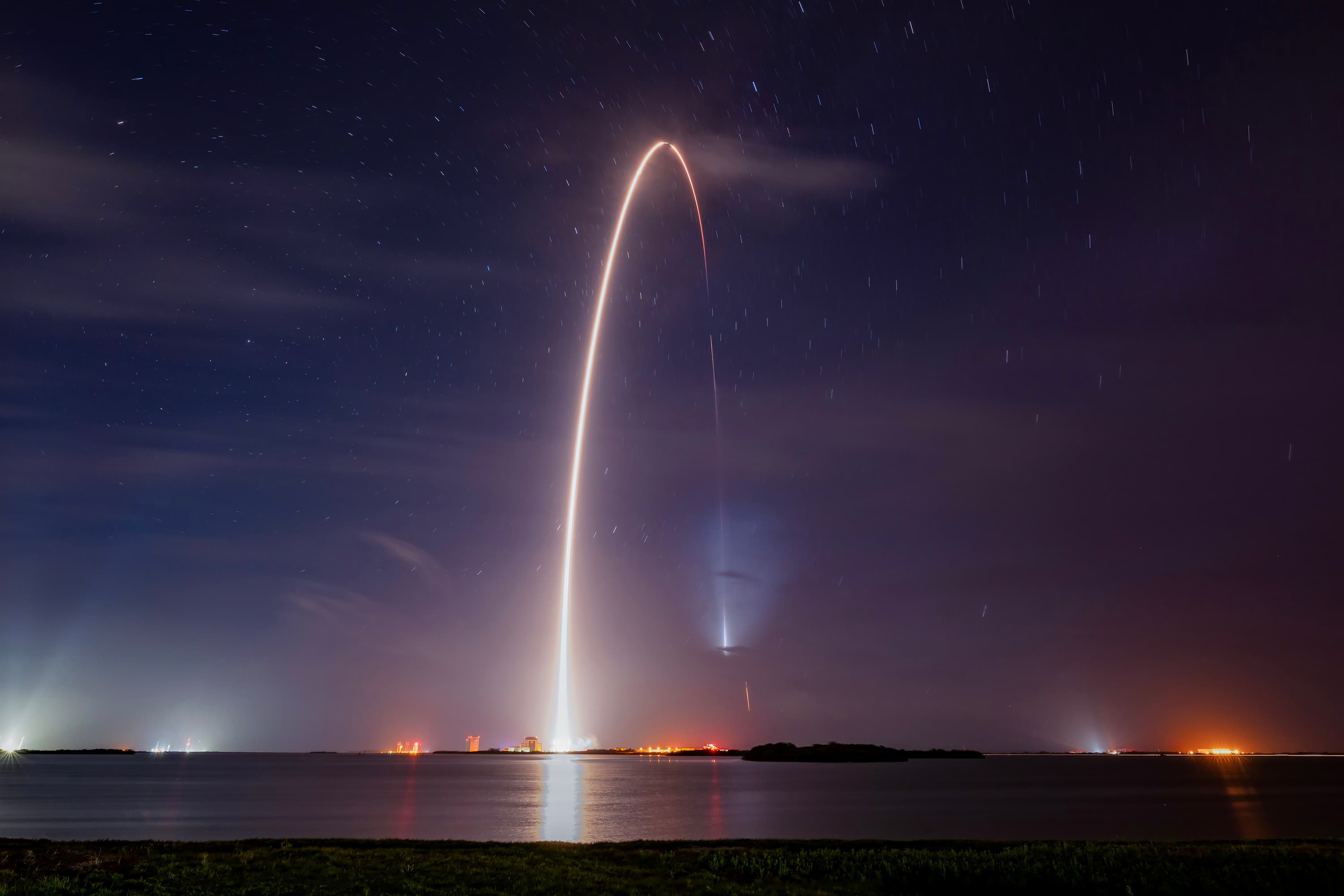
- On March 13, Starlink 17-31 launched from Vandenberg on a southward sun-synchronous trajectory, delivering 25 satellites into a polar orbit. On March 14, Starlink 10-48 lifted off from Cape Canaveral with 29 satellites. On March 15, a third Starlink batch of 29 more satellites departed Cape Canaveral on the Starlink 10-46 mission.
- By the end of March 15, SpaceX had conducted 33 Falcon 9 launches year to date. With Starlink approaching 10,000 simultaneous active satellites and the first V3 Starlink satellites expected to launch via Starship later in 2026, the pace of deployment is only expected to accelerate.